Most car owners think scrap prices are fixed — like a number that just sits there waiting for you to call. They're not. Scrap car values shift with the seasons, the weather, and market conditions that have nothing to do with your vehicle. Understanding those patterns could mean the difference between leaving money on the table and timing your sale right. Here's what actually moves scrap car value today — and how to use it to your advantage.
Why Scrap Car Prices Aren't Static (And Never Have Been)
Scrap metal is a commodity. Like oil, lumber, or grain, its price responds to supply and demand in real time. When steel mills need feedstock, they pay more. When they're sitting on inventory, they don't. Your old Honda or F-150 is, at its core, a bundle of ferrous and non-ferrous metals — and those metals trade on a market that doesn't care about your timeline.
That's the first thing to understand: the price you get for your scrap car isn't just about the car. It's about when you sell it, where you sell it, and who's buying. That's why using a transparent platform matters — platforms like SMASH bring vetted buyers into competition, which gives you actual price discovery instead of a single buyer's take-it-or-leave-it offer.
Seasonal patterns layer on top of all of this. They don't override commodity fundamentals, but they create predictable pressure points — moments when the market tilts in the seller's favour or against it.
How Canadian Winters Drive Down Scrap Car Value Today
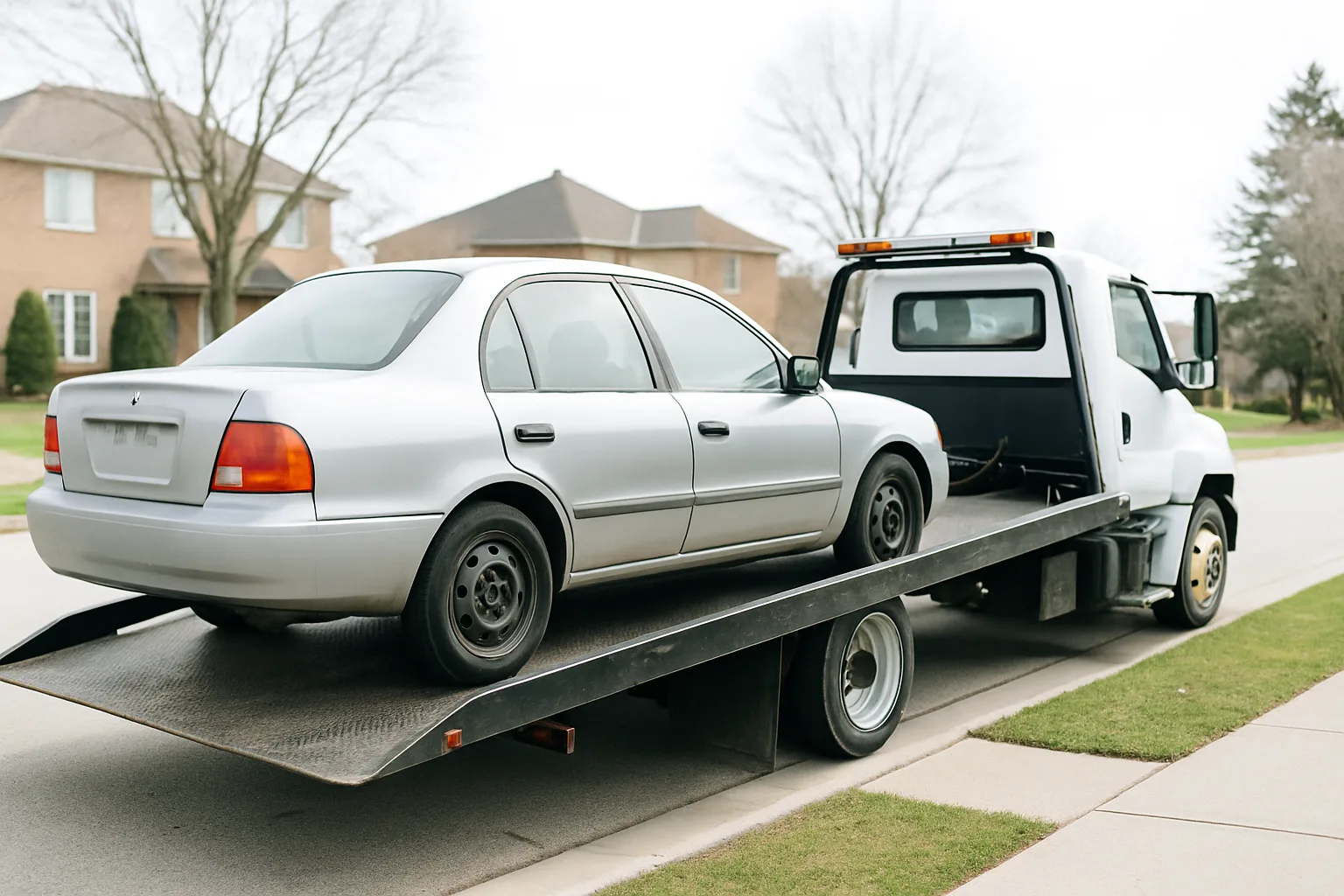
Winter hits scrap markets hard — especially in Ontario. When temperatures drop below freezing across Scarborough and the rest of the province, the entire scrapping ecosystem slows down. Tow trucks have a harder time moving vehicles. Yards deal with frozen ground and reduced staff capacity. Buyers get cautious about logistics.
The practical result: lower demand means lower offers. Yards that are already operating at reduced capacity aren't going out of their way to chase volume. If you're trying to sell your car for cash across Canada in January or February, you're likely selling into a soft market — particularly if you're in a region that gets hammered by snow and ice.
There's also the part-out factor. In winter, buyers have less appetite for stripping vehicles for usable components. Demand for used auto parts dips when fewer people are doing DIY repairs in unheated garages. That removes a pricing floor that often exists in warmer months, when parts resale is more active and pushes overall vehicle values up slightly.
- Towing delays — Weather complications add cost and reduce pickup availability
- Yard capacity issues — Frozen ground and reduced staffing slow processing
- Lower parts demand — Fewer DIY buyers shopping for used components
- Cautious buyer behaviour — Buyers make conservative offers when logistics are uncertain
Spring and Summer: When Scrap Car Values Tend to Climb
Spring is when the scrap market typically wakes up. Steel mills ramp up production ahead of construction season. Demand for ferrous metal — which makes up the bulk of most passenger vehicles — increases. Towing is easier, yards are operating at full capacity, and buyers are actively looking to build inventory.
For sellers in Scarborough and across Ontario, this is generally the better window. If you've been sitting on a dead vehicle through the winter, waiting until March or April to list it can make a real difference. Not a dramatic windfall — don't expect the market to double — but meaningful. Commodity swings of even a few dollars per hundredweight (CWT) on a vehicle that weighs 1,500 kg add up fast.
Summer holds steady, though extreme heat can create its own logistics friction in some regions. Parts demand peaks in summer — people are driving more, vehicles are breaking down more, and the used auto parts market is active. Vehicles with salvageable components (working engines, intact catalytic converters, low-mileage transmissions) often attract stronger offers in summer because buyers see more resale upside.
If you're not sure how your vehicle stacks up or what a fair offer looks like right now, get a free car valuation before you commit to any buyer. You need a reference point before the negotiation starts.
Fall: A Mixed Market With a Hard Deadline Built In
Fall is complicated. Early fall — September and October — often sees solid scrap car prices. Construction projects are wrapping up, steel demand is still present, and the weather hasn't turned yet. Yards are actively buying before the winter slowdown. This is a legitimate selling window.
Late fall is different. As November approaches in Ontario, buyer urgency shifts. Yards start thinking about their winter positioning. Some buyers pull back on acquisitions to avoid carrying too much inventory through a slow period. If you're in Scarborough and you haven't moved your scrap vehicle by mid-November, you're likely holding into a softening market.
The lesson here isn't complicated: fall rewards sellers who act early. If you're thinking about scrapping your vehicle and it's September, don't wait. The market you're selling into right now — today, September 2026 — is generally more favourable than the one you'll face in December. That said, always get multiple quotes. One yard's pricing doesn't reflect the full market, which is exactly why competitive auction formats exist.
Platforms like SMASH put your vehicle in front of multiple vetted buyers simultaneously, so you're not locked into one yard's interpretation of current conditions. Competition can help reveal the market — and the market right now is worth testing.
What Else Moves Scrap Car Prices Beyond Season
Seasonality is real, but it's one variable among several. If you're making a decision about when to sell, here are the other factors worth understanding:
- Steel mill demand cycles — Mills buy in waves. When they need scrap steel, prices spike. When they're well-stocked, they don't move. This can override seasonal patterns entirely.
- Fuel prices — Towing and transport costs eat into what buyers can offer. When diesel is expensive, margins compress and offers soften.
- Catalytic converter value — Non-ferrous metals (platinum, palladium, rhodium) inside catalytic converters can swing significantly. A vehicle with an intact cat and a currently strong PGM market is worth more than the same car in a weaker market.
- Currency fluctuations — Scrap metal trades globally. A strong Canadian dollar relative to the USD can affect how competitive Canadian yards are when selling processed scrap internationally.
- Local yard competition — More buyers in a market means better pricing. Areas with limited yard competition often produce lower offers regardless of broader market conditions.
This is why documentation and competition both matter. Documented inventory — accurate vehicle details, photos, VIN, condition notes — gives buyers confidence to bid higher. And multiple buyers bidding means the price reflects actual market conditions, not one buyer's best guess. You can read Canadian car selling guides to get deeper on any of these variables before you list.
How to Time Your Sale and Get a Fair Price
You can't control commodity markets. You can control when you sell, how you document your vehicle, and who you sell to. Those three levers matter more than most sellers realize.
Timing: If you have flexibility, spring through early fall is generally stronger than mid-winter. Right now, early September in Ontario is a reasonable selling window — act before the market softens heading into late Q4.
Documentation: A vehicle with a clear VIN, accurate photos, a complete description of condition, and any known salvageable components is easier for buyers to price confidently. Vague listings get conservative offers. Detailed listings get competitive ones.
Competition: Never sell to the first buyer who calls. Get at least three quotes. Better yet, use a platform that puts your listing in front of multiple buyers at once. That's what compare scrap metal bids from Canadian buyers is built for — real competition, real price discovery, no guesswork.
Whether you're in Scarborough or anywhere else across Ontario and beyond, the fundamentals are the same. More buyers, better documentation, and awareness of market timing all move your outcome in the right direction.
If you've got a vehicle sitting in your driveway that you're ready to move, don't wait out the market into winter. The conditions you're selling into today are worth acting on. Sell your car for cash across Canada — get a free, no-obligation quote at cashforcars-canada.ca and find out what your vehicle is actually worth right now.
Frequently Asked Questions
Q: What is scrap car value today in Ontario?
Scrap car values fluctuate based on current metal commodity prices, your vehicle's weight, condition, and what salvageable components it carries. There's no single fixed price — values shift with the market. Get multiple quotes from vetted buyers to understand what your specific vehicle is worth in today's market. Prices vary by region, so a Scarborough yard may quote differently than one in another part of Ontario.
Q: Is spring really the best time to sell a scrap car in Canada?
Generally, yes. Spring through early fall tends to see stronger scrap demand as steel mills increase production and construction activity picks up. That said, market conditions change — a strong commodity spike in January can outperform a weak spring market. Use timing as a guide, not a guarantee, and always get competitive quotes before committing.
Q: How do I sell a scrap car in Scarborough?
Start by gathering your vehicle's VIN, photos, and an honest condition assessment. Then get quotes from multiple buyers — don't call one yard and accept the first number. Platforms that connect you to vetted buyers across Ontario give you better price discovery than a single cold call. Make sure towing is included in any offer before you agree.
Q: Does the weather actually affect what I get paid for my junk car?
Yes, indirectly. Extreme cold creates logistics friction — towing costs rise, yard capacity drops, and buyer confidence softens. That pressure often translates to lower offers in peak winter months. Weather doesn't directly set the price, but it affects the operating environment enough to influence what buyers are willing to pay and how quickly they move.
Q: What's the difference between selling privately and using a scrap metal auction platform?
Selling to a single private buyer or calling one yard gives you one data point. Using a competitive auction platform like SMASH puts your vehicle in front of multiple vetted buyers simultaneously, which can produce stronger price discovery. More competition means the offer you receive reflects the actual market rather than one buyer's floor price. Documented listings — clear photos, VIN, accurate condition details — tend to attract stronger bids regardless of the platform.
Disclaimer: Scrap metal and vehicle prices fluctuate based on commodity markets, regional demand, and other factors. Always check current rates with buyers directly before making any selling decision.
Stay current on scrap metal market trends and industry insights — follow SMASH on LinkedIn for regular updates from the recycling industry.