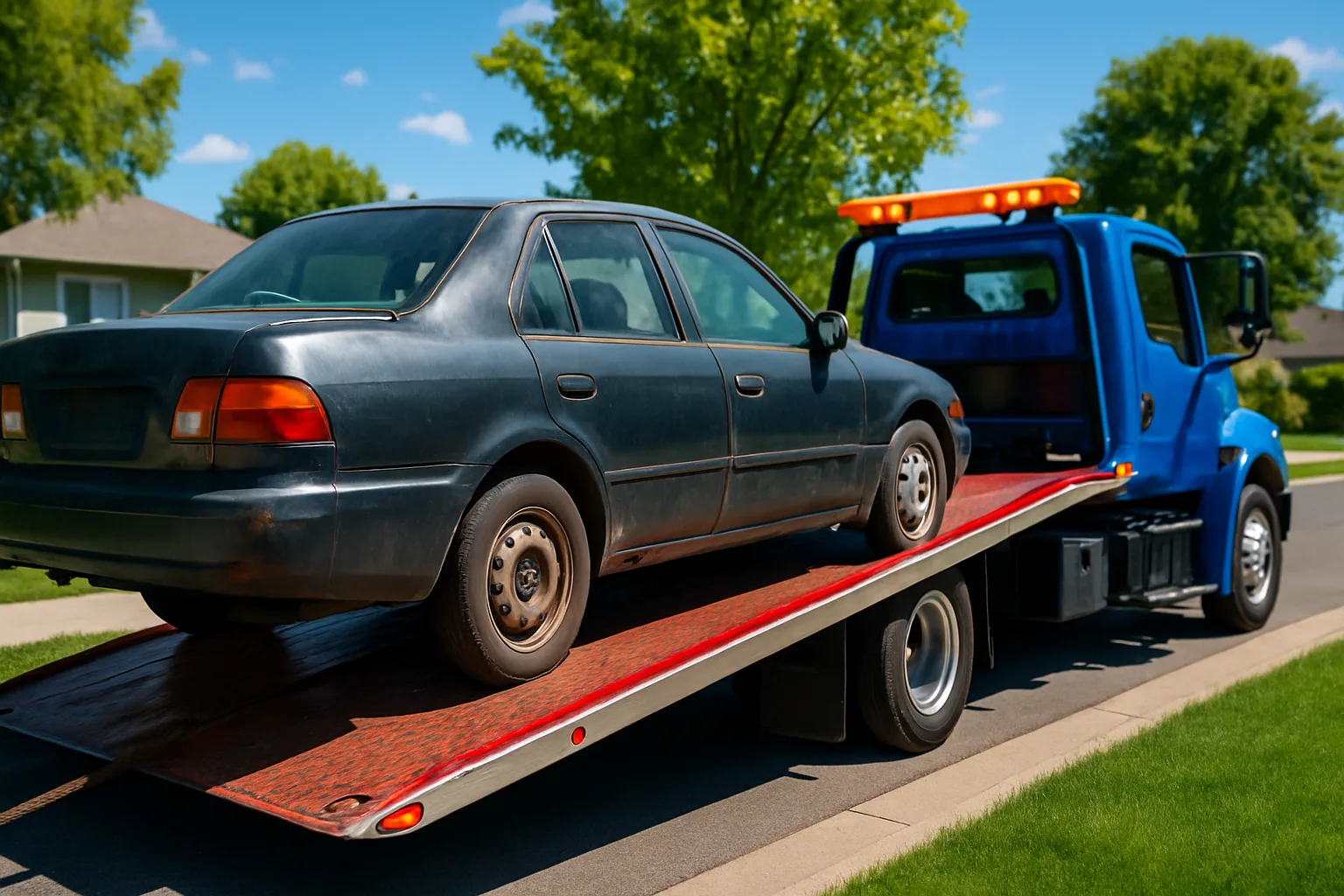
Most people don't realize that a scrapped vehicle is one of the most thoroughly recycled products in North America. Over 80% of a car's materials can be recovered and reused — steel, aluminum, copper, plastic, rubber, and more. If you've got an old vehicle sitting in your driveway in Kelowna, it isn't just taking up space. It's a collection of raw materials with real market value, and the way those materials get processed matters more than most sellers think.
Eco-friendly car disposal isn't a marketing buzzword. It's a regulated, multi-step process that keeps hazardous fluids out of the Okanagan's soil and waterways, puts reusable parts back into circulation, and sends processed metals into supply chains that reduce the need for virgin ore extraction. Understanding how that process works — and how to find junk car buyers near me Kelowna who actually follow it — helps you make a smarter, more responsible decision when it's time to let go of a vehicle.
What Eco-Friendly Car Disposal Actually Means
The term gets used loosely. Not every yard that pays you cash for a junker is running a clean, compliant operation. Genuine eco-friendly car disposal follows a structured sequence designed to prevent contamination at every stage. It starts the moment your vehicle arrives at a licensed facility and doesn't end until the last piece of processed metal leaves the shredder.
Here's what a proper disposal process includes:
- Fluid extraction: Engine oil, transmission fluid, brake fluid, coolant, power steering fluid, and refrigerants are drained and either recycled or disposed of through certified channels. A single litre of engine oil can contaminate up to one million litres of groundwater if improperly dumped.
- Battery removal: Lead-acid batteries are pulled and sent to battery recyclers — the lead and acid are both recoverable.
- Tire diversion: Tires don't belong in a shredder. They're removed and sent to tire recyclers who turn them into playground surfaces, rubberized asphalt, or fuel.
- Parts harvesting: Usable components — alternators, starters, catalytic converters, mirrors, doors, glass — are pulled before the shell goes to the crusher. This extends the life of functional parts and keeps them out of the waste stream.
- Shredding and metal separation: What's left gets shredded and sorted by metal type. Ferrous metals (steel and iron) go to steel mills. Non-ferrous materials (aluminum, copper, zinc) get separated and sold to specialty smelters.
If the yard you're dealing with skips steps — particularly fluid extraction — you should walk away. In British Columbia, licensed auto recyclers are required to follow provincial environmental standards. Ask questions. A legitimate yard won't hesitate to explain their process.
The Value Inside Your Junk Car — Including That Catalytic Converter
Before your vehicle gets shredded, there's serious value to recover. The part that often surprises sellers most is the catalytic converter. Cats contain platinum group metals (PGMs) — platinum, palladium, and rhodium — and even a single converter can carry meaningful scrap value depending on the vehicle and the current PGM market. Prices fluctuate significantly, so always check current rates before you assume a number.
What makes catalytic converter recovery interesting is that these parts don't just go into a general scrap pile. They move through a specialized chain — often through a catalytic converter auction process where processors and refiners bid competitively on lots. This competition matters. It's the difference between a yard offering you a lowball flat rate and the actual market value of what's inside your cat. Platforms like sell your scrap metal on SMASH Recycling bring that competitive auction format to the scrap metal market, giving sellers price discovery instead of guesswork.
Beyond the catalytic converter, here's what else carries scrap value in a typical junk car:
- Aluminum wheels — lighter alloy, higher value per pound than steel
- Copper wiring — often 1–2 kg in a standard passenger vehicle
- Stainless steel exhaust components — not just regular steel
- Alternators and starters — contain aluminum and copper cores
- Steel body and frame — the bulk of the weight, usually priced by the tonne
When you sell your car for cash across Canada, you want a buyer who accounts for all of these components — not one who quotes you a single flat rate with no explanation of how they got there.
How to Find Junk Car Buyers Near Me in Kelowna Who Do It Right
Kelowna isn't short on people willing to haul away old vehicles. The challenge is finding buyers who offer fair, transparent pricing and who process cars responsibly. There's a real difference between an operator running a compliant facility and someone who's just flipping wrecks with no regard for what's leaking into the ground.
When you search for junk car buyers near me Kelowna, here's what to look for — and what to avoid:
- Ask if they're a licensed auto recycler. British Columbia requires licensing for facilities that dismantle vehicles. If they can't confirm this, that's a red flag.
- Get a written quote, not a verbal promise. A legitimate buyer will stand behind a number. Vague offers that drop at pickup are a common tactic with less reputable operators.
- Ask how they price the vehicle. Weight? Condition? Make and model? Year? A buyer who can explain their methodology is more trustworthy than one who just throws out a number.
- Find out if they handle title and documentation. Proper transfer of ownership protects you from liability after the car leaves your property. This is non-negotiable.
- Check if pickup is included. Most reputable cash for cars services in Kelowna include free towing. If they're charging you to remove a car you're already selling to them, reconsider.
For Kelowna scrap metal services, the infrastructure exists to handle everything from single vehicles to larger loads — but the onus is on you to vet who you're working with. The process should feel straightforward, not like you're negotiating blind.
Cash for Cars in Kelowna — What to Expect From the Process
Cash for cars Kelowna services generally follow a simple sequence, but knowing each step removes the uncertainty. Whether your vehicle runs or it's been sitting flat on rotted tires for three years, the process is largely the same.
Here's what a clean transaction looks like:
- Request a quote. Provide the year, make, model, condition, and whether it runs. Photos help. The more detail you give, the more accurate the initial offer.
- Accept the offer. If the number works for you, confirm pickup. If it doesn't, you're under no obligation. Get quotes from more than one buyer if you're not sure.
- Schedule pickup. Most Kelowna-area services can arrange same-day or next-day pickup. You don't need to do anything except have the vehicle accessible.
- Hand over the title. You'll need proof of ownership. This is how the vehicle gets transferred out of your name legally. Don't skip this — you don't want a liability floating around with your name attached.
- Get paid. Cash, e-transfer, or certified cheque. Confirm the payment method before pickup, not after.
The whole process, from first quote to cash in hand, typically takes 24–48 hours for a straightforward vehicle. You can get a free car valuation before committing to anything — there's no reason to go in without a baseline number.
Why Responsible Recycling Matters for British Columbia and Beyond
British Columbia has some of the most ecologically sensitive land and waterways in Canada. The Okanagan Valley — where Kelowna sits — depends on clean water for agriculture, recreation, and community health. When vehicles are dismantled carelessly, the fluids that leak don't stay put. They move through soil, reach groundwater, and end up in places nobody wants them.
Responsible car recycling isn't just good practice — it reduces the demand for raw material extraction. Every tonne of recycled steel displaces iron ore that would otherwise need to be mined. Every recovered catalytic converter sends platinum group metals back into the supply chain without new mining. In a region that takes environmental stewardship seriously, who you sell your car to is part of that picture.
Platforms like SMASH bring market transparency to this process at the commercial level — connecting scrap yards and buyers through competitive auctions rather than back-channel deals. Whether you're a yard operator trying to maximize return on incoming vehicles, or an individual seller trying to understand what your car is actually worth, the principle is the same: competition and transparency produce better outcomes than guesswork and single-buyer pressure. You can read Canadian car selling guides to understand more about how the scrap vehicle market works across different provinces.
If you're ready to move on from a vehicle that's done its job, the responsible path and the profitable path point in the same direction. Sell to a buyer who does it right, get paid fairly, and let the materials find their next use.
Frequently Asked Questions
Q: How do I find reliable junk car buyers near me in Kelowna?
Start by confirming the buyer is a licensed auto recycler in British Columbia. Get a written quote before agreeing to anything, and ask how they price your vehicle — weight, condition, and components should all factor in. A reputable service will include free pickup and handle the title transfer properly.
Q: What happens to my car's catalytic converter when I scrap the vehicle?
The catalytic converter is removed before the vehicle is shredded. It contains platinum group metals that are refined and reused. At the commercial level, these parts often move through a catalytic converter auction process where processors bid competitively — which is why the value can vary significantly depending on who's buying and current PGM market prices.
Q: Do I need a title to sell a junk car in Kelowna?
Yes. Proof of ownership is required to legally transfer the vehicle out of your name. Without it, you remain liable for the vehicle even after it leaves your property. If you've lost your title, contact ICBC to request a replacement before arranging pickup.
Q: How long does it take to get cash for a junk car in Kelowna?
Most transactions complete within 24–48 hours. You request a quote, accept the offer, schedule pickup, and get paid — often on the same day the vehicle is collected. E-transfer is a common payment method for speed and convenience.
Q: Is it worth scrapping a car that doesn't run?
Yes. Non-running vehicles still have scrap metal value, and many components — including the catalytic converter, aluminum wheels, and copper wiring — can be recovered regardless of whether the car runs. A junk car buyer will quote you based on the vehicle's weight and recoverable materials, not its drivability.
When you're ready to clear that vehicle off your property and put cash in your pocket, do it through a buyer who treats the process seriously — fair pricing, proper documentation, and responsible recycling from start to finish. Sell your car for cash across Canada and get a free quote at cashforcars-canada.ca — it takes a few minutes and there's no obligation.
Follow SMASH on LinkedIn for scrap metal market insights and industry updates across North America.