Catalytic Converter Theft Is Up — And It's Quietly Killing Your Scrap Car's Value
Your car sits in the driveway overnight. By morning, someone has slid underneath it with a reciprocating saw and cut out your catalytic converter in under two minutes. It happens across Canada every single day — from Vancouver to Halifax, and yes, in Sydney, Nova Scotia too. What most car owners don't realize is that this one stolen part can quietly gut the value of their scrap vehicle by hundreds of dollars before they ever pick up the phone to sell it.
If you're trying to get cash for cars in Sydney or anywhere across Canada in 2026, understanding the catalytic converter market isn't just interesting — it's money in your pocket. This article breaks down what's actually happening, how theft trends affect scrap car values, and how to protect yourself when it's time to sell.
What Is a Catalytic Converter — and Why Do Thieves Want It So Badly?
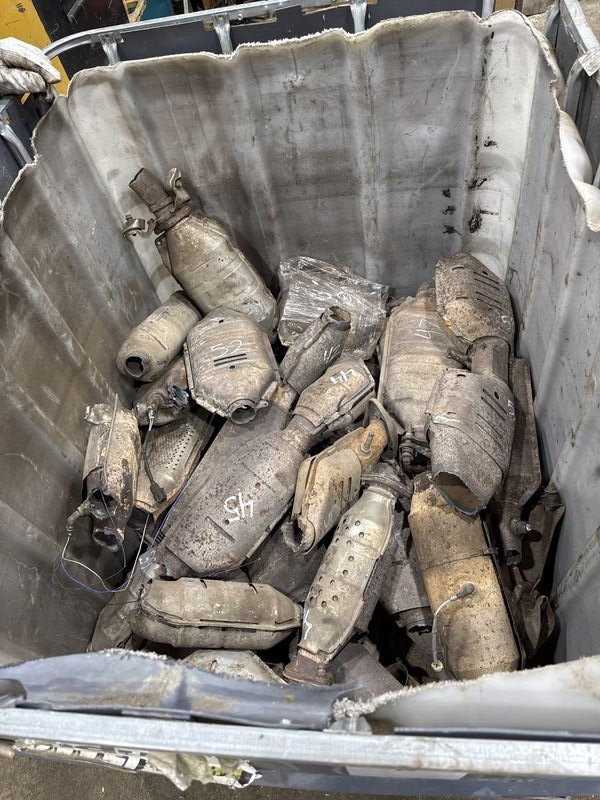
The catalytic converter is a component in your exhaust system that reduces harmful emissions before they leave the tailpipe. It looks like a metal canister bolted into the exhaust line, usually located underneath the vehicle. What makes it a target is what's inside: platinum, palladium, and rhodium — three of the most valuable metals on earth, gram for gram.
These platinum group metals (PGMs) have been under intense demand pressure from global automotive and industrial markets. A single converter can contain anywhere from 3 to 7 grams of PGMs combined, depending on the make and model. Thieves know this. They also know a cat can be removed fast and sold to scrap dealers with no VIN traceability — at least under old, looser regulations.
- Hybrid vehicles like the Toyota Prius are prime targets — their converters are larger and have higher PGM concentrations.
- Trucks and SUVs sit higher off the ground, giving thieves easy access without a jack.
- Older vehicles with less corroded exhaust bolts are faster to cut and remove.
- Fleet vehicles parked in lots overnight are high-risk targets.
Provinces across Canada have tightened regulations around buying and selling used catalytic converters in recent years, requiring more documentation from sellers and dealers alike. But enforcement is uneven, and the theft problem hasn't gone away.
How Catalytic Converter Theft Directly Affects Scrap Car Values in Canada
Here's where it gets personal for sellers. When you sell your car for cash across Canada, a junk car buyer is calculating your vehicle's value based on a combination of factors: the weight of the steel, the condition of major components, and the presence or absence of high-value parts like the catalytic converter, copper wiring, and aluminum wheels.
A missing catalytic converter isn't a minor deduction. Depending on the vehicle, a converter can account for a significant portion of the non-ferrous metal value in the car. When a buyer quotes you on a scrap vehicle and finds the cat is gone, the offer drops — sometimes substantially. That's not the buyer being unfair. That's the math.
Consider what this means in practice:
- Intact vehicle with converter: Buyer calculates full scrap weight plus component value, including the cat. Higher offer.
- Vehicle with stolen converter: Buyer deducts the converter value from the quote. Lower offer — even if everything else on the car is fine.
- Vehicle with damaged exhaust from theft: The cutting process sometimes damages surrounding exhaust components, adding further deductions.
- Vehicle with a replaced aftermarket cat: Some aftermarket converters have lower PGM content. Buyers know the difference — the offer reflects it.
The bottom line: if your car was stolen from and you're now looking to sell it for scrap, always disclose what's missing. Experienced junk car buyers near me no title situations or theft-related damage have seen it all. Transparency gets you an accurate quote — not a surprise deduction when the truck shows up.
Scrap Metal Recycling Canada: What Happens to a Catalytic Converter After You Sell?
This part of the process often confuses sellers. When a legitimate buyer purchases your scrap vehicle, the catalytic converter doesn't just disappear into a pile of metal. It goes through a separate processing stream entirely — because the PGMs inside need to be extracted through specialized smelting.
In the legitimate scrap metal recycling Canada chain, converters are typically sorted, catalogued, and sold in bulk to processors who specialize in PGM recovery. This is a global market. The price a Canadian recycler receives for cats is tied to commodity prices set on international markets — which means what happens in Tokyo or Frankfurt affects what a yard in Sydney or Sudbury gets paid.
Platforms like the SMASH Recycling auction platform bring transparency to this process at the commercial level, connecting recycling yards with vetted buyers through competitive auctions. When buyers compete for material, sellers get better price discovery. The days of one phone call and one offer are increasingly outdated for yards doing serious volume.
For individual car sellers, the takeaway is simpler: the buyer purchasing your car is plugged into this same market. Their offer on your converter-equipped vehicle reflects real commodity values — not a number pulled out of thin air.
How to Protect Your Car's Value Before You Sell — and After Theft
If you haven't been hit yet, a few precautions can save you real money. If you already have been, knowing your options before calling a junk car buyer matters.
Before theft — protect the converter:
- Park in well-lit, visible areas or in a locked garage.
- Install a catalytic converter shield or anti-theft cable. Several aftermarket options exist for common vehicles.
- Mark your converter with a high-temperature paint marker and register it — some provinces have encouraged this as a deterrent.
- If your car is sitting unused waiting to be scrapped, don't leave it exposed for weeks. Book the pickup sooner.
After theft — before you sell:
- File a police report. You'll need this for insurance claims, and some buyers require documentation of the theft.
- Don't attempt to weld a patch over the exhaust gap. It changes nothing for the buyer and can be a safety hazard.
- Get a quote immediately — don't let the car sit and accumulate further damage.
- Use a scrap car value calculator Ontario free tool or reach out to buyers directly to understand what your car is worth in its current condition. Accurate information upfront saves everyone time.
Whether you're in Sydney, Nova Scotia or selling a car in Ontario or Alberta, the process is the same. Disclose the condition, get multiple quotes if you can, and don't accept the first number if it seems low without understanding how it was calculated.
Junk Car Buyers Near Me: What to Look for When Selling a Theft-Affected Vehicle
Not all buyers handle theft-affected vehicles the same way. Some will refuse to quote without a full parts inventory. Others specialize in exactly this kind of distressed vehicle. Knowing who you're dealing with saves you frustration.
Here's what separates a reliable buyer from one who wastes your time:
- Transparent pricing breakdown. A good buyer can tell you how they're calculating the offer — steel weight, component values, deductions for missing parts.
- Clear process for no-title vehicles. If you're searching junk car buyers near me no title because the title was lost or the car was inherited, ask upfront. Many legitimate buyers across Canada work with statutory declarations or alternate documentation.
- No hidden tow fees. Reputable buyers typically include pickup in the quote. Get that confirmed before you book.
- Fast turnaround. A quote today and a pickup within a few business days is standard. If someone is stalling for weeks, look elsewhere.
SMASH works at the commercial yard level — but the same principles of competition and transparency that make SMASH effective for recycling yards are exactly what individual sellers should demand from their buyers. More eyes on your vehicle means better pricing. Get a free car valuation and see what your car is actually worth before you commit to anything.
For deeper guidance on navigating the Canadian car selling process, read Canadian car selling guides that cover everything from paperwork to getting paid.
What This All Means If You're Selling a Scrap Car in Sydney or Across Nova Scotia
Car theft trends in Atlantic Canada have followed national patterns. Catalytic converter theft doesn't skip smaller markets — it shows up wherever cars sit overnight in driveways, parking lots, or on the street. Sydney and the surrounding Cape Breton area have seen the same pressures that urban centres across the country deal with, and sellers here deserve the same access to fair, transparent offers that anyone in Toronto or Calgary gets.
The good news: the market for scrap vehicles in Nova Scotia is active. Whether your car runs or doesn't, whether the cat is in place or long gone, there are legitimate buyers who want it. The key is knowing what you have, disclosing it accurately, and not settling for a lowball offer because you assume a damaged or incomplete car has no value.
It does. Steel is steel. And even a car stripped of its converter still has hundreds of kilograms of recyclable metal, a core, rubber, and sometimes salvageable components depending on the model and year.
If you're ready to stop guessing and start getting real numbers, sell your car for cash across Canada through a service that handles the details — towing, paperwork, and a fair offer based on what your car is actually worth in today's market.
Frequently Asked Questions
Q: Does a missing catalytic converter mean my car is worthless as scrap?
Not at all. A missing converter reduces your car's value, but the rest of the vehicle — steel, aluminum, copper, and salvageable parts — still has real worth. Get a quote that reflects the actual condition of the car, not an assumption that it's worth nothing.
Q: Can I sell a scrap car for cash in Sydney, Nova Scotia without a title?
Many buyers in Nova Scotia and across Canada work with vehicles that have missing or unclear titles. You may need to provide alternate documentation like a statutory declaration or proof of ownership. Ask your buyer upfront what they require — a good buyer will walk you through the process.
Q: How do I know if I'm getting a fair price for my junk car?
Get more than one quote if you can. Ask the buyer to explain how they calculated the offer — what weight they're using, what components they're counting, and what they're deducting. A transparent buyer can answer these questions directly. Tools like a scrap car value calculator can also give you a general baseline before you call.
Q: We buy junk cars Sydney — are there buyers who specifically serve the Cape Breton area?
Yes. Services that operate across Nova Scotia and all Canadian provinces typically serve Sydney and the broader Cape Breton region. Confirm pickup availability and timelines when you request your quote — most reputable buyers will arrange towing directly to your location.
Q: How quickly can I get cash for my car after it's been stolen from or damaged?
Once you have a quote you're happy with, most legitimate buyers can arrange pickup within one to three business days. Payment is typically issued on the day of pickup. Don't let a damaged or theft-affected car sit for weeks — get the process started and turn that idle vehicle into cash.
Selling a scrap car — especially one that's been hit by catalytic converter theft — doesn't have to be a frustrating guessing game. Know what you have, disclose it honestly, and work with buyers who give you straight answers. If you're in Sydney, across Nova Scotia, or anywhere else in Canada, the process is simpler than most people expect. Get a free quote at cashforcars-canada.ca and find out what your car is worth today.
Follow SMASH on LinkedIn for ongoing industry updates, scrap metal market insights, and news that affects recyclers and sellers across North America.