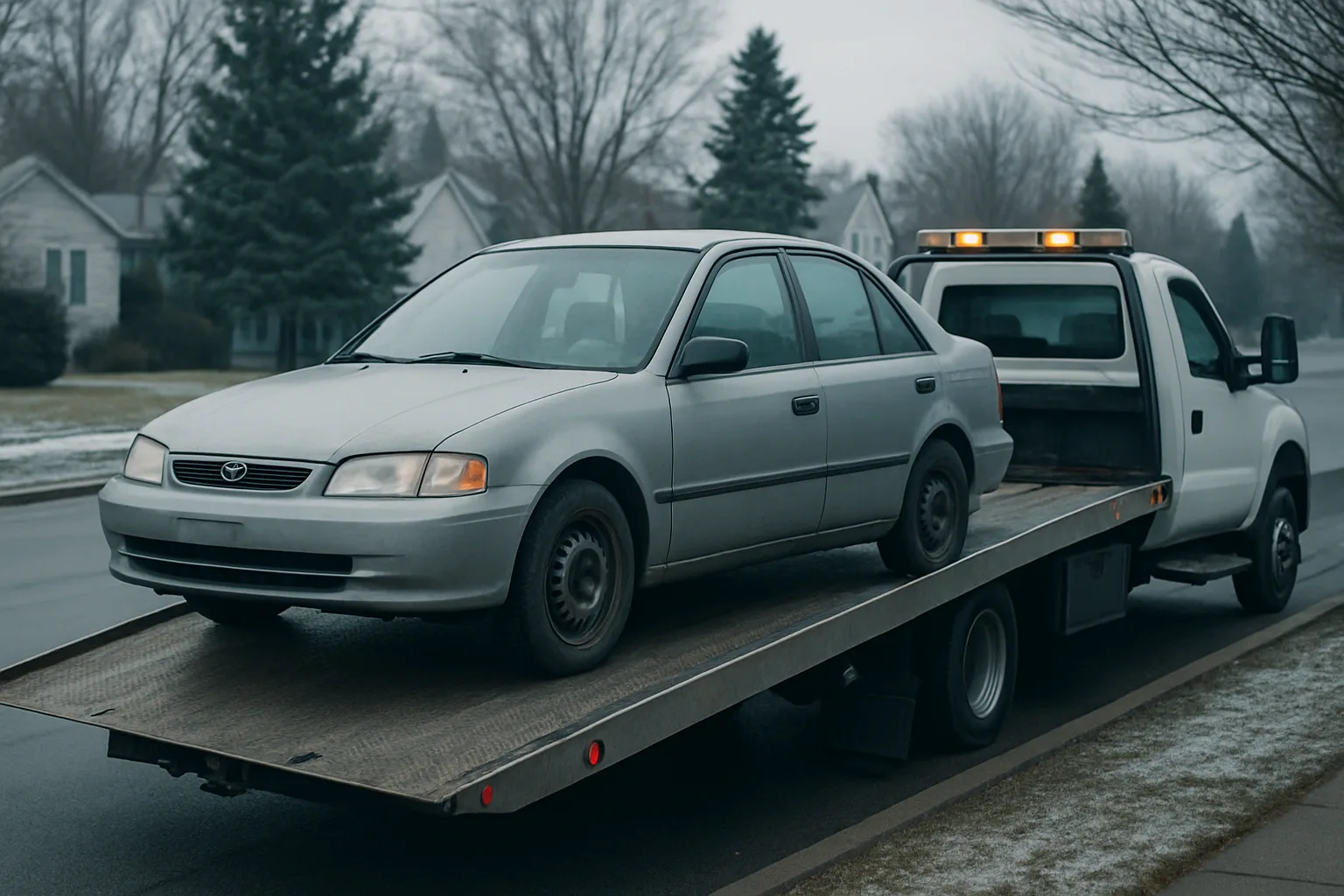
Most people don't realize they're missing a critical document until they're already at the wrecking yard — and that's when things get complicated fast. If you're planning on getting rid of a junk car in Abbotsford or anywhere else in British Columbia, knowing exactly what paperwork you need before you book a pickup can save you hours of frustration and potentially hundreds of dollars.
This guide breaks down every document you'll need to scrap a car in Canada, why each one matters, and how to move quickly even if your paperwork isn't perfect. Whether you're chasing scrap car value today or just need a dead vehicle off your driveway, the process starts with getting your documents in order.
Why Paperwork Matters for Junk Car Removal in Abbotsford
It's not bureaucratic box-checking. Documentation protects you legally the moment that car leaves your property. Without proof of ownership transfer, you could still be liable for parking tickets, accidents, or environmental violations tied to a vehicle you thought you'd already sold. In British Columbia, ICBC has specific processes for transferring or cancelling registration — and skipping those steps is how sellers get burned.
For buyers and recyclers, documentation confirms they're purchasing a vehicle that isn't stolen, isn't under active finance, and can be legally crushed or parted out. Transparent paperwork is also what separates a smooth junk car removal Abbotsford transaction from one that falls apart at the last minute. Get this right and the whole process takes less than a day. Get it wrong and you're making extra trips, chasing down forms, and losing money.
The Core Documents You Need to Scrap a Car in Canada
The exact requirements vary slightly by province, but across Canada — and specifically in British Columbia — here's what you'll typically need:
- Vehicle Registration (or Transfer/Tax Form): This is your primary proof of ownership. In BC, this is the Transfer/Tax Form (APV9T), which ICBC issues. If you've misplaced it, you can get a replacement at any Autoplan broker.
- Government-Issued Photo ID: A driver's licence, passport, or BC Services Card. The name must match the name on the vehicle registration.
- Title/Ownership Transfer Documentation: In provinces like Ontario and Alberta, this is the vehicle permit or ownership document. If you're selling a car in Ontario or Alberta for scrap, you sign the back of the ownership and hand it over at the time of sale.
- Lien Release (if applicable): If you financed the vehicle and still owe money — or if you paid it off recently — you may need documentation showing the lien has been discharged. A scrap buyer won't touch a vehicle that still shows an active lien.
- Bill of Sale: Not always mandatory, but strongly recommended. A simple bill of sale with both parties' names, the vehicle's year/make/model/VIN, sale price, and date protects you from liability after the car is gone.
If the car belonged to a deceased family member, you'll also need estate documentation — typically a Grant of Probate or Letters of Administration — before a recycler can legally take ownership. This one surprises a lot of people, but it's non-negotiable.
What If You've Lost the Title or Registration?
This is the most common problem people run into, and it's not the dead end it feels like. In British Columbia, you can request a replacement registration document through ICBC. You'll need your ID, the VIN, and you may need to show up at an Autoplan broker in person. The fee is minimal and replacement is usually same-day.
If you're in another province — say you're trying to sell a car in Ontario — you'd go through ServiceOntario to replace the vehicle permit. In Alberta, you'd contact Service Alberta. The process is similar across the country. The critical point: never let a buyer skip the paperwork because "it's just a scrap car." That car still exists in a government database until the transfer is completed properly.
For older vehicles where records are sparse, a VIN search through your provincial motor registry can often pull up the ownership history. Platforms like smashrecycling.ca use serial tracking and VIN lookup as part of their documentation process — that level of detail matters when you're trying to establish clean ownership on a vehicle that hasn't been on the road in years.
How SMASH Makes Document Management Less Painful
Here's where the old way of scrapping a car really falls apart. You call a local buyer, they give you a verbal quote, they show up, and then suddenly there's a problem with your paperwork. The price drops. Or they leave. You've wasted half a day.
SMASH approaches this differently. As a scrap metal auction platform, SMASH builds documentation requirements into the process upfront — photo documentation, VIN lookup, serial tracking, and inventory tools that create a clear record of what's being sold before any bids come in. When buyers on the SMASH platform compete for your load, they already know exactly what they're bidding on. That transparency means fewer surprises at pickup, and it means your scrap car value today is based on real market competition — not one buyer's guess.
If you want to sell scrap metal online — including a full vehicle — SMASH puts your inventory in front of vetted buyers across North America. No subscription fees. No guessing games. The platform only wins when you win. That's a different model entirely from the traditional one-call, one-offer approach most scrap yards still use.
Cancelling Your Insurance and Plates: Don't Skip This Step
Once the paperwork for the sale is signed, you need to act fast on two more things: cancel your ICBC insurance and remove your licence plates. In British Columbia, your plates belong to you — not the vehicle. You take them off before the tow truck shows up. Then you either return them to ICBC or transfer them to another vehicle.
Cancelling your insurance the same day the vehicle is picked up is how you stop paying for coverage on a car you no longer own. You may be eligible for a refund on unused premium. Don't leave this sitting — people forget and keep paying for months on a vehicle sitting in a wrecker's lot.
For residents outside BC — if you're selling a car in Alberta, Ontario, or any other province — the plate and insurance rules differ. In Ontario, plates also stay with the owner. In Alberta, the same applies. Check with your provincial registry or insurer before the vehicle leaves your property. These details are part of why working with services that specialize in cash for cars British Columbia — or province-specific buyers — makes a real difference. They know the local process and can walk you through exactly what to do.
Getting Paid: What to Expect When Everything Is in Order
When your paperwork is clean and your plates are off, the actual sale moves fast. Most reputable junk car buyers — including those using platforms like SMASH — will confirm a quote, schedule a pickup, and pay on the spot at the time of collection. Cash or e-transfer are both common. Wire transfers for larger loads.
The factors that drive your payout include:
- Vehicle weight and metal content — heavier vehicles with more steel, copper wiring, or aluminum generally fetch more
- Condition of the catalytic converter — cats are often the most valuable single component on a scrap vehicle
- Completeness of the vehicle — missing engines, transmissions, or catalytic converters significantly reduce value
- Current scrap metal market prices — prices fluctuate based on commodity markets, so what you get today may differ from last month
- Location and towing distance — some buyers offer free pickup, others deduct towing from the offer
To get the most accurate picture of what your specific vehicle is worth right now, get a free car valuation before you commit to any offer. Knowing your baseline number puts you in a much stronger negotiating position.
If you're in the Fraser Valley and looking for local options, Abbotsford scrap metal services can connect you with buyers who know the regional market and can move quickly on pickups. Local expertise matters — especially when you're dealing with specific provincial documentation requirements and want the process handled correctly the first time.
Whether you're doing this for the first time or you've scrapped vehicles before, the documentation step is the one that consistently trips people up. Get it right early, and the rest of the process is straightforward. You can also read Canadian car selling guides to prepare for every step of the process — from valuation to final payout.
If you're ready to move on a vehicle and want buyers competing for your load rather than accepting the first number someone throws at you, sell your car for cash across Canada through a process built around transparency, documentation, and real market competition. Get a free quote at cashforcars-canada.ca and see what your vehicle is actually worth today.
Frequently Asked Questions
Q: What happens if I lost the title to my car and I want junk car removal in Abbotsford?
You can replace your vehicle registration through an ICBC Autoplan broker in Abbotsford with your ID and the vehicle's VIN. Replacement is typically same-day and costs a small fee. Most reputable junk car buyers won't proceed without confirmed ownership documentation, so getting the replacement sorted before you book a pickup saves time.
Q: Do I need to cancel my insurance before the car is picked up?
Yes — and you should do it the same day the vehicle is collected. In British Columbia, you remove your licence plates before pickup and then cancel or transfer your ICBC coverage. Leaving the policy active after the car is gone means you're paying for insurance on a vehicle you no longer own. You may be eligible for a premium refund on unused months.
Q: Can I scrap a car that still has a lien on it?
Not easily. If a lender still holds a security interest in the vehicle, that lien needs to be discharged before you can legally transfer ownership. Contact your lender directly — if the loan is paid off but the lien hasn't been formally released, they can provide a lien release letter. A scrap buyer who skips this step is creating legal risk for both parties.
Q: How long does the junk car removal process take in British Columbia once I have my paperwork ready?
Once your documentation is in order — registration, ID, and any lien release — the actual transaction moves quickly. Many buyers can schedule same-day or next-day pickup. Payment typically happens at the time of collection. The paperwork step is almost always what causes delays, so having everything ready before you request a quote keeps the timeline short.
Q: Does my scrap car value today change based on current metal prices?
Yes, significantly. Scrap metal commodity prices fluctuate based on global demand, and your vehicle's payout reflects those market conditions at the time of sale. Heavier vehicles with intact catalytic converters and complete drivetrains generally bring the strongest offers. Always check current rates before accepting a quote — prices from a few months ago may not reflect today's market. Note: metal prices fluctuate daily. Always confirm current rates with your buyer before finalizing any sale.
Stay current on scrap metal market trends and industry insights — follow SMASH on LinkedIn at linkedin.com/company/scrap-metal-auction-sales-hub for regular updates that help you sell smarter.