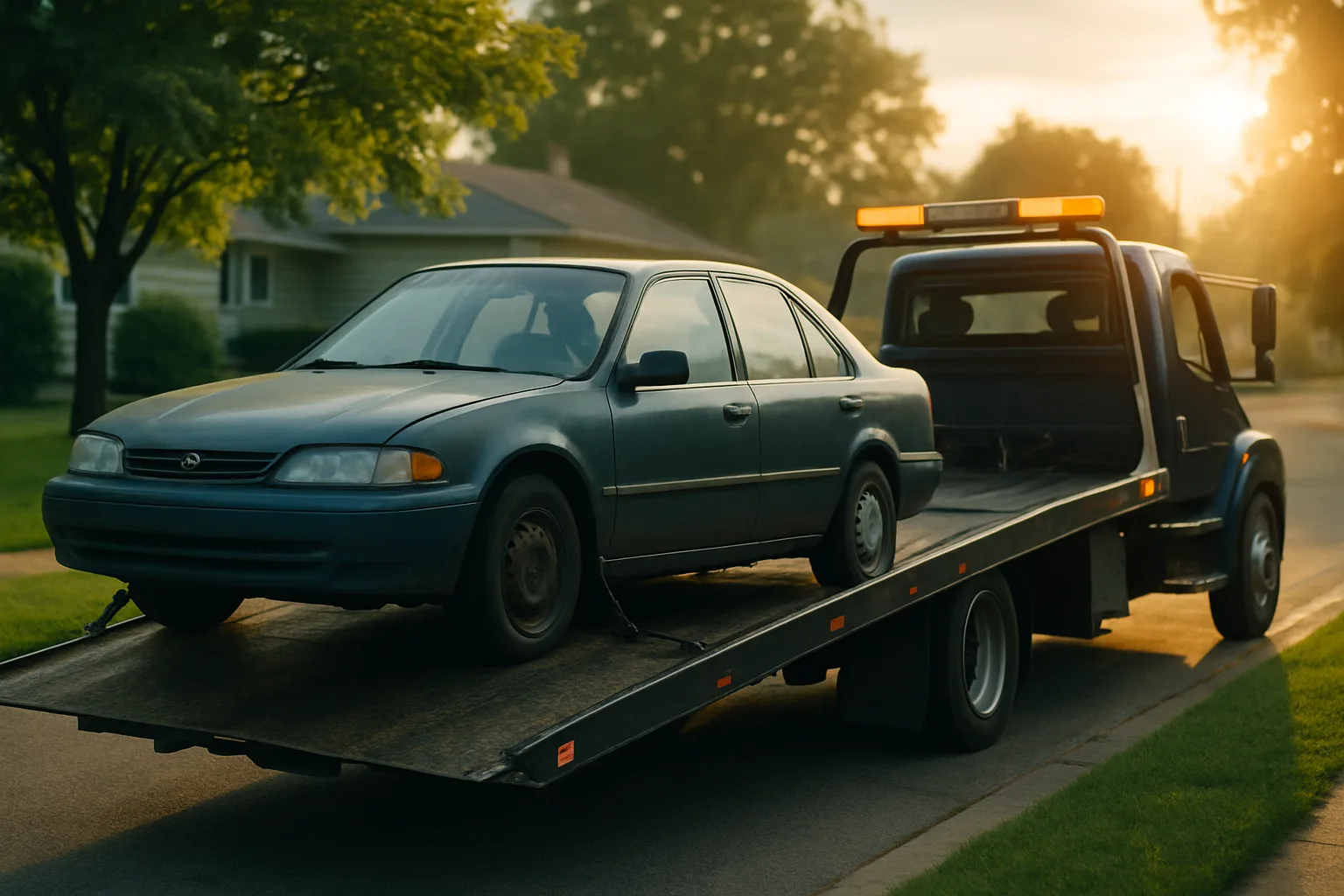
What Actually Happens to Your Junk Car? A Practical Guide to Eco-Friendly Disposal in Canada
Most people assume scrapping a car means it gets crushed and forgotten. The reality is more interesting — and more environmentally significant — than that. A single end-of-life vehicle contains dozens of recoverable materials, from aluminum and copper to platinum-group metals locked inside the catalytic converter. When handled correctly, cash for cars Charlottetown services and scrap yards across Canada recover upwards of 80% of a vehicle's total weight for reuse. When handled badly, that same car leaks oil, coolant, and battery acid into the ground for years.
If you're sitting on a dead vehicle in Charlottetown or anywhere else across the country, understanding the recycling process isn't just trivia — it helps you ask the right questions, choose the right buyer, and get a fair price for what you're handing over. This guide breaks it all down, step by step.
---Why Eco-Friendly Car Disposal Matters More Than You Think
A typical passenger vehicle contains roughly 25 liters of fluids — engine oil, transmission fluid, brake fluid, coolant, power steering fluid, and refrigerant. Every one of those is a hazardous material. If a scrap yard or informal buyer skips the depollution step and simply crushes the car, those fluids end up in the soil and water table. It's not theoretical. It happens regularly at unlicensed operations.
Responsible disposal follows a strict sequence. Fluids are drained and captured first. Batteries — which contain lead and sulfuric acid — are removed and sent to certified battery recyclers. Tires are pulled and sent to rubber recycling or energy recovery programs. Only after all of that does the vehicle move into dismantling and crushing.
Beyond the environmental angle, proper recycling supports the broader scrap metal supply chain that Canadian manufacturers depend on. Recycled steel uses significantly less energy to produce than virgin steel from ore. When you sell your car for cash across Canada through a vetted service, you're feeding materials back into that chain — not just clearing your driveway.
The Step-by-Step Car Recycling Process in Canada
Whether your car ends up at a yard in Charlottetown, Prince Edward Island, or a major facility in Toronto or Calgary, the core recycling process follows the same basic sequence. Here's what happens after pickup:
- Depollution: All hazardous fluids are drained and captured — engine oil, coolant, brake fluid, fuel, refrigerant. This step is legally required at licensed facilities across Canada.
- Battery removal: Lead-acid batteries are pulled and sent to certified recyclers. A functioning used battery may also be tested and resold.
- Catalytic converter extraction: The catalytic converter is removed before shredding. It contains platinum, palladium, and rhodium — all high-value metals. This is one of the most economically significant steps in the whole process.
- Parts harvesting: Usable components — engines, transmissions, alternators, doors, mirrors, wheels — are pulled and inventoried for resale. This is the step that keeps repair costs down for thousands of Canadians who rely on used parts.
- Tire and glass removal: Tires go to rubber processing or crumb rubber production. Glass goes to glass recyclers.
- Hulk crushing and shredding: The stripped vehicle shell is flattened and fed through an industrial shredder. The output is a mix of ferrous metal (steel), non-ferrous metal (aluminum, copper, zinc), and shredder residue (plastics, foam, rubber fragments).
- Material separation: Powerful magnets pull steel from the shredder output. Eddy current separators isolate aluminum and other non-ferrous metals. The remaining shredder residue — called fluff — is landfilled or increasingly processed further for energy recovery.
- Melting and reuse: Separated metals go to steel mills and smelters, where they become new products — rebar, auto parts, appliances, structural steel.
Every step in that chain represents value. When you understand this, it becomes clear why junk car prices per ton fluctuate with commodity markets. Your car isn't just a disposal problem — it's a bundle of materials with real market value.
We Buy Junk Cars in Charlottetown: What Sellers Need to Know
If you're in Charlottetown or elsewhere on Prince Edward Island, the process of selling a junk car starts with a simple question: who's actually buying it and what are they paying? Not all buyers operate the same way. Some offer flat rates that don't reflect actual metal values. Others lowball because they're betting you won't check the market.
Here's what a legitimate we buy junk cars Charlottetown service should offer you:
- A quote based on current scrap metal pricing — not a number pulled from thin air
- Free towing or pickup, included in the offer (not deducted after the fact)
- Same-day or next-day service in most cases
- Payment before the vehicle leaves your property — or at minimum at time of pickup
- Proper documentation, including a bill of sale and title transfer to protect you from future liability
The documentation piece matters more than most sellers realize. If your old car ends up with unpaid parking tickets or gets involved in something illegal after you've sold it — and your name is still on the title — that's your problem. Always get paperwork. Always confirm the title has transferred.
Platforms like SMASH bring competitive structure to this side of the market. Rather than accepting the first number one buyer offers, sell your scrap metal on SMASH Recycling and let vetted buyers compete for your material. More competition means better price discovery. That's not a marketing line — it's basic economics.
How Scrap Metal Recycling Canada Fits Into the Bigger Picture
Canada's scrap metal recycling sector processes tens of millions of tonnes of material annually. End-of-life vehicles are a significant part of that flow. Steel recovered from scrapped cars re-enters the manufacturing supply chain, reducing the need for energy-intensive primary steel production.
Scrap metal recycling Canada operates within a patchwork of provincial regulations. In most provinces, licensed auto recyclers must follow depollution standards, keep records of vehicles they process, and dispose of hazardous materials through approved channels. That's why choosing a licensed, vetted buyer matters — not just environmentally, but legally.
Price benchmarks vary by metal type and current commodity markets. Steel (ferrous scrap) typically trades at lower per-pound values than aluminum or copper. The catalytic converter, as mentioned, often represents a disproportionate share of a vehicle's scrap value because of the precious metals inside. For anyone wondering about junk car prices per ton, the honest answer is: it depends on the vehicle's make, model, year, and the current spot market for steel and non-ferrous metals.
Prices change week to week. The number you get quoted today may be different from what you'd get in two weeks. If you want to get a free car valuation based on current market conditions, that's the smarter move than locking in a number from a site that hasn't updated its pricing data in months.
Comparing Your Options: Private Sale vs. Scrap Buyer vs. Auction Platform
Not every car at the end of its life is pure scrap. Some vehicles that seem like junk still have enough value to attract private buyers or auto wholesalers. Understanding where your car falls on that spectrum helps you choose the right disposal route.
Here's a practical breakdown:
- Private sale: Best for vehicles that still run or have low damage relative to their value. Requires time, effort, and dealing with strangers. You handle negotiation, title transfer, and payment risk yourself.
- Direct scrap buyer: Fast and simple. Best for vehicles that don't run, are heavily damaged, or have little resale value. Price is based primarily on weight and metal content. One buyer, one offer — you're price-taking, not price-discovering.
- Auction platform (like SMASH): Introduces competition into what is otherwise a one-sided transaction. Vetted buyers bid. Sellers see the spread. This works particularly well for loads of non-ferrous material, catalytic converters, and higher-value scrap where a few dollars per pound makes a real difference.
For a single family vehicle in Charlottetown, a direct scrap buyer is often the most practical route. For yards or individuals moving multiple vehicles or significant volumes of non-ferrous scrap, SMASH is the structure that makes the most sense. You shouldn't be guessing what the market will pay. You should be seeing it.
If you're unsure which route fits your situation, read Canadian car selling guides that break down the process by vehicle type, condition, and province.
A Note on "How Much Is a Scrap Car Worth" — Setting Realistic Expectations
Search traffic for terms like how much is scrap car worth spikes every time metal prices move. It's one of the most commonly Googled questions among people looking to offload an old vehicle. The frustrating truth is that there's no single answer.
What drives scrap car value in Canada right now:
- Current steel and aluminum spot prices on commodity markets
- The weight of the vehicle (a half-ton pickup carries more scrap value than a compact sedan)
- Whether the catalytic converter is intact
- Whether usable parts remain — engines, transmissions, electronics
- Location and towing distance (some buyers adjust offers based on pickup cost)
- Whether the title is clean and the seller can provide documentation
Prices fluctuate constantly based on global commodity markets. Always check current rates before accepting any offer — a quote from three weeks ago may not reflect what the market is paying today. Any service quoting you fixed prices without checking current metal values is either leaving money on the table or adding a wide margin to protect themselves.
The smarter move is to get multiple quotes, understand what's driving the number, and use platforms that bring real buyer competition into the process. That's how price discovery actually works.
Frequently Asked Questions
Q: How do I sell my junk car for cash in Charlottetown?
Contact a licensed junk car buyer or scrap vehicle service that operates in Prince Edward Island. They'll typically ask for your vehicle's year, make, model, and condition, then provide a quote. Pickup is usually free, and payment happens at the time of collection. Always confirm you receive a bill of sale and title transfer documentation.
Q: What documents do I need to sell a scrap car in Charlottetown?
You'll typically need the vehicle's registration and proof of ownership. If you've lost the title, contact Access PEI to arrange a replacement before selling. Without proper documentation, you remain legally tied to the vehicle even after it leaves your property.
Q: How much is a junk car worth per ton in Canada right now?
Scrap metal prices fluctuate based on global commodity markets and change frequently — sometimes week to week. The value of your specific vehicle depends on its weight, make, model, the presence of a catalytic converter, and current steel and non-ferrous metal prices. Always get a current quote rather than relying on outdated price lists.
Q: Is car recycling actually eco-friendly, or is it just a marketing claim?
When done properly by licensed facilities, car recycling is genuinely environmentally responsible. Hazardous fluids are captured, batteries are recycled, and 80% or more of a vehicle's material weight is recovered and reused. The key word is "properly" — unlicensed operations skip these steps, which is why choosing a vetted, licensed buyer matters.
Q: Can I sell a car with no title in Prince Edward Island?
It's difficult and potentially problematic. Most legitimate buyers require proof of ownership to complete the transaction legally. If your title is lost or damaged, contact Access PEI to request a replacement. Selling without documentation exposes you to future liability if the vehicle is misused after it leaves your hands.
---If you've got an old vehicle sitting on your property in Charlottetown or anywhere else across the country, the responsible move is to get it into the right hands. You get cash, the materials get recovered, and nothing hazardous ends up in the ground. That's a straightforward win. When you're ready, sell your car for cash across Canada and get a free quote at cashforcars-canada.ca — no pressure, no guesswork, just a clear number based on what your vehicle is actually worth today.
Want to stay current on scrap metal markets and industry trends? Follow SMASH on LinkedIn for regular updates on metal pricing, recycling news, and what's moving in the Canadian scrap market.