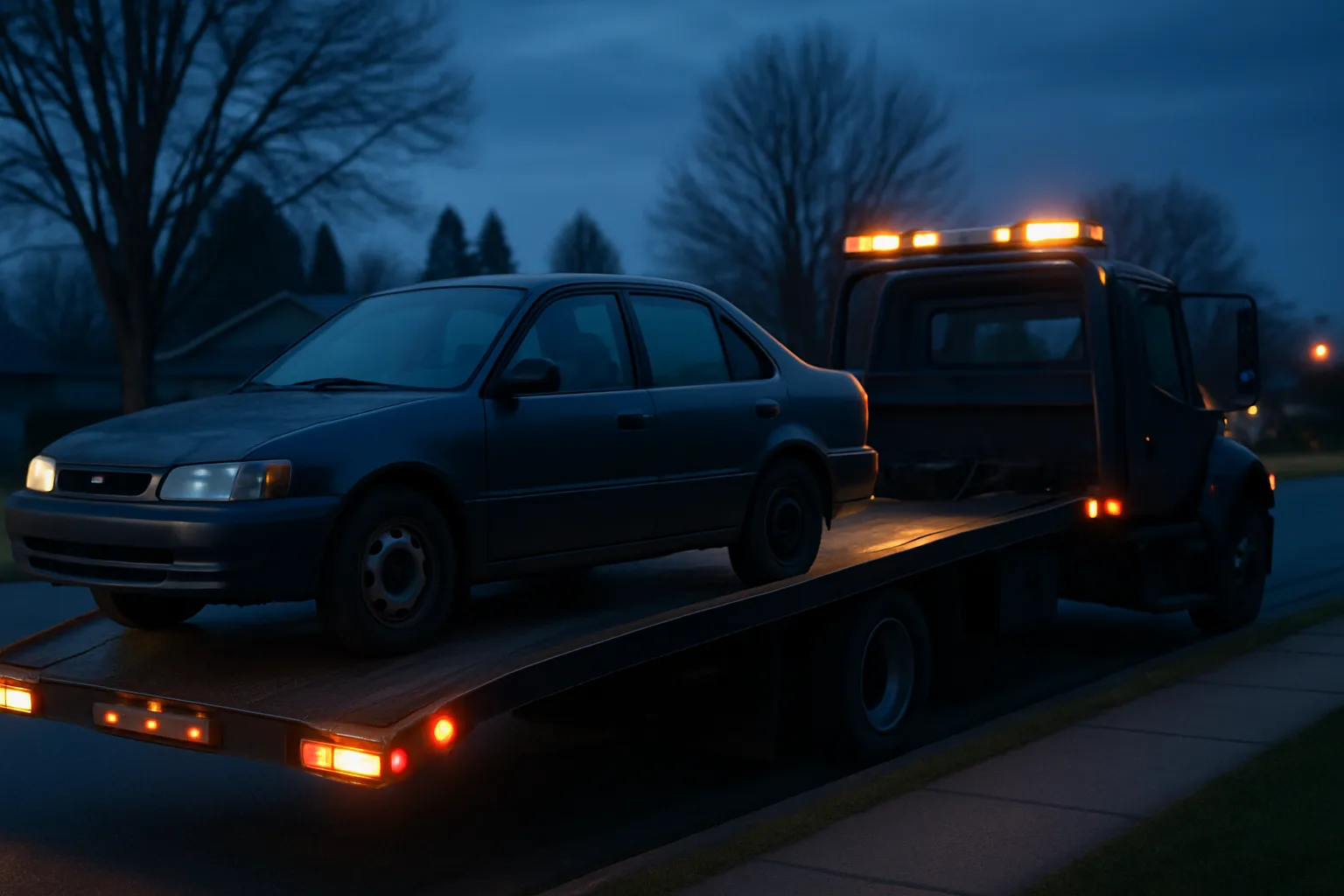
Why Your Old Car Is Worth More in Some Months Than Others
Most people think scrap car prices are fixed — like a sticker on a shelf. They're not. The amount you pocket when you sell your car for cash can shift by hundreds of dollars depending on when you sell, where you live, and what the weather has been doing. If you're sitting on a junk car in Chilliwack right now, that timing matters more than you think.
This isn't speculation. Scrap metal markets move with the seasons, with industrial demand cycles, and with weather patterns that affect everything from buyer activity to the actual condition of the metal in your vehicle. Understanding these shifts gives you leverage — and more cash in your pocket.
How Seasons Drive Scrap Metal Recycling Demand Across Canada
Steel mills and metal processors don't operate on a flat schedule. They ramp up and slow down based on construction activity, manufacturing cycles, and global export demand. In Canada, that rhythm is tied closely to the seasons.
Spring and early summer typically see increased demand. Construction picks up across British Columbia and the rest of the country, steel consumption rises, and scrap processors are motivated to fill their yards. That increased demand from buyers often pushes ferrous scrap prices — the crushed steel that makes up most of a junked vehicle — upward. More buyers competing for available inventory means better scrap metal recycling Canada-wide returns for sellers.
- Spring (March–May): Construction season kicks off. Processor demand increases. Often a strong window for sellers.
- Summer (June–August): Sustained demand, though export market fluctuations can create volatility.
- Fall (September–October): Another active period before winter slowdowns. Buyers want to move volume.
- Winter (November–February): Salvage yard activity slows. Cold weather, snow, and reduced industrial output can suppress prices.
This doesn't mean you should never sell in winter. But if you have flexibility, knowing the seasonal curve helps. Platforms like Canada's B2B scrap recycling marketplace track these market movements in real time — giving both buyers and sellers better visibility into what metal is actually worth at any given moment.
What British Columbia's Climate Does to Your Car's Scrap Value
British Columbia is not one climate — it's several. The Lower Mainland and Fraser Valley get significant rainfall. The interior bakes in summer and freezes in winter. Up in the mountains, vehicles face ice, road salt, and dramatic temperature swings year-round. All of this affects a scrap car's actual metal yield and condition.
In wetter coastal regions, rust is the constant enemy. A car sitting in a Chilliwack driveway through the rainy season deteriorates faster than one parked in a dry climate. For sellers, that means acting sooner rather than later. Rust and corrosion reduce the recoverable metal content, and buyers factor that into their offers. A car that's been sitting for two wet winters is worth less than one sold before the rot sets in.
On the other hand, dry summer conditions mean vehicles hold their condition longer. If you're debating whether to sell my junk car near me this summer or let it sit through another wet season, the math usually favors moving it now. You're protecting value by acting before weather does more damage.
Road salt is a particular concern for British Columbia's mountain corridors and Interior routes. Salt accelerates corrosion aggressively — it eats through floor pans, frame rails, and suspension components. These aren't just cosmetic issues. Heavy rust can reduce a vehicle's scrap weight yield and complicate the dismantling process, which affects what a buyer is willing to pay.
The Case Study: A Fraser Valley Seller Who Timed It Right
Consider a common scenario that plays out across the Fraser Valley every year. A car owner in Chilliwack has a 2009 pickup truck — no longer running, registration lapsed, sitting on gravel beside the garage. It's been there since the previous fall. The owner gets a few casual quotes over winter and the numbers don't excite them.
Come March, they reach out again. Same truck. Same location. But the quote comes back noticeably stronger. Why? Spring demand is lifting ferrous scrap prices. The processor network is buying aggressively to build inventory ahead of the construction season. The truck hasn't gotten better — the market has. That timing difference can represent real money. Not a trivial rounding error — actual hundreds of dollars on a vehicle with decent steel weight.
This is exactly the kind of market intelligence that platforms like SMASH surface for professional buyers and sellers in the scrap industry. When you sell your car for cash across Canada through a service with real buyer competition behind it, you're not stuck with whatever one local buyer feels like offering that day. The market sets the price — not a single phone call.
The lesson from this case study isn't complicated: timing matters, and so does who's buying. One buyer with no competition has every reason to lowball you. Multiple buyers competing for your vehicle do not.
When Weather Events Disrupt Scrap Car Markets
Beyond the regular seasonal cycle, extreme weather events create their own price disruptions — and Canada has seen more of them in recent years. Flooding, wildfires, ice storms, and atmospheric rivers can generate sudden spikes in salvage vehicle volume, which can temporarily suppress individual car prices as supply overwhelms buyer capacity.
British Columbia knows this dynamic well. When a flood event or wildfire season writes off large numbers of vehicles across the province, scrap yards and dismantlers are suddenly handling surge volume. Short-term, that can compress what any individual seller receives. The yards are full. Buyer demand per vehicle drops when supply floods the market.
The flip side: after a major weather event, metal prices sometimes recover sharply once processors work through the backlog. If you're not in a rush and your vehicle is protected from further damage, waiting out the immediate post-event period can work in your favor. If you need quick cash and the market is soft, the trade-off is speed over price — and that's a legitimate choice too.
Understanding this cycle is part of why informed sellers do better. If you want to dig deeper into how these markets work across different conditions, read Canadian car selling guides that break down the factors affecting what your vehicle is worth and when to act.
How to Protect Your Scrap Car's Value While You Wait for the Right Window
If you've decided to sell but want to time the market, the worst thing you can do is let your vehicle deteriorate further while you wait. A few practical steps protect your return:
- Get it off the ground. A vehicle sitting directly on soil or grass rusts from the bottom up. Gravel or concrete slows that process significantly.
- Remove standing water. If your car has broken seals or missing weather stripping, rainwater pools inside and accelerates interior corrosion.
- Don't strip it yourself without understanding the market. Removing catalytic converters, batteries, or non-ferrous components can actually reduce your total payout if you sell the parts separately without knowing what the full-vehicle buyer was factoring in.
- Document its condition now. Photos taken today create a baseline. If a buyer tries to claim damage that was already there, you have evidence.
- Get multiple quotes before accepting anything. One call to one buyer is not a market price. It's one opinion. SMASH exists precisely to solve this problem for the professional end of this industry — competitive bidding reveals real value.
When you're ready to move, get a free car valuation before committing to any offer. Knowing the baseline puts you in a far stronger negotiating position than guessing.
Selling a Junk Car in Chilliwack: What to Expect in 2026
Chilliwack sits at the eastern edge of Metro Vancouver's commuter reach, but it operates on Fraser Valley timelines and economics. The used car and scrap vehicle market here moves with agricultural season cycles, construction activity along the Highway 1 corridor, and the general Lower Mainland demand pulse.
In 2026, British Columbia's scrap vehicle market is dealing with the same pressures as the rest of Canada: fluctuating global steel demand, tight processor margins, and growing interest in end-of-life vehicle recycling driven by updated provincial waste reduction targets. For a Chilliwack seller, that means there's real buyer activity in the market — but you need to reach it, not just accept the first number someone throws at you.
Services that operate like we buy junk cars Chilliwack-style buyers — single call, single offer, take it or leave it — aren't showing you the market. They're showing you their margin. The difference between a single-buyer transaction and one backed by competitive pricing can be significant, particularly for heavier vehicles with more recoverable steel.
SMASH works with professional scrap buyers across North America to bring competitive bidding to inventory that would otherwise be priced by gut feel and convenience. Whether you're a yard operator or an individual seller working through a service connected to that network, more buyers means better price discovery. That's not a sales pitch — it's how auctions work.
If you're holding a junk car and wondering whether now is the right time, the honest answer is: it depends on your vehicle, its condition, and what the current market looks like. The best move is to get a real quote, understand what's driving the number, and make an informed decision. Ready to find out what your car is worth right now? Sell your car for cash across Canada — get a free quote at cashforcars-canada.ca. No pressure, no obligation — just a real number based on your actual vehicle.
Frequently Asked Questions
Q: Does the season really affect how much I get for my junk car in Chilliwack?
Yes, it can. Scrap metal prices fluctuate with industrial demand, and spring and fall typically see stronger buyer activity in Canada. That said, vehicle condition and current market conditions matter just as much as timing. Getting quotes in multiple seasons is the best way to see the difference firsthand.
Q: What's the best time of year to sell a scrap car in British Columbia?
Spring (March through May) is often cited as a strong selling window because construction activity drives steel demand. Fall can also be active before winter slowdowns. Avoid selling right after major weather events that flood the market with salvage vehicles, as that temporarily suppresses individual car prices.
Q: How does rain and wet weather affect my car's scrap value?
Prolonged exposure to rain and moisture accelerates rust and corrosion, which reduces the recoverable metal content of your vehicle. A heavily rusted car may yield less at the scale than one in better structural condition. The longer a vehicle sits in wet conditions, the more value it loses — acting sooner usually protects your return.
Q: Can I sell my junk car in Chilliwack if it's not running?
Absolutely. Most scrap car buyers, including services operating across British Columbia, will purchase non-running vehicles. Many offer free towing as part of the transaction. The car doesn't need to drive — it just needs to be accessible for pickup.
Q: How do I know if I'm getting a fair price for my scrap car?
The only way to know is to get more than one quote. A single offer from a single buyer tells you what that one buyer wants to pay — not what your car is actually worth in the current market. Compare at least two or three offers, understand what's included (towing, paperwork, fees), and make the decision with full information.
Prices fluctuate based on global steel markets, local buyer demand, and vehicle condition. Always check current rates before making a final decision.
Stay current on scrap metal market trends and industry news — follow SMASH on LinkedIn at linkedin.com/company/scrap-metal-auction-sales-hub for regular updates.