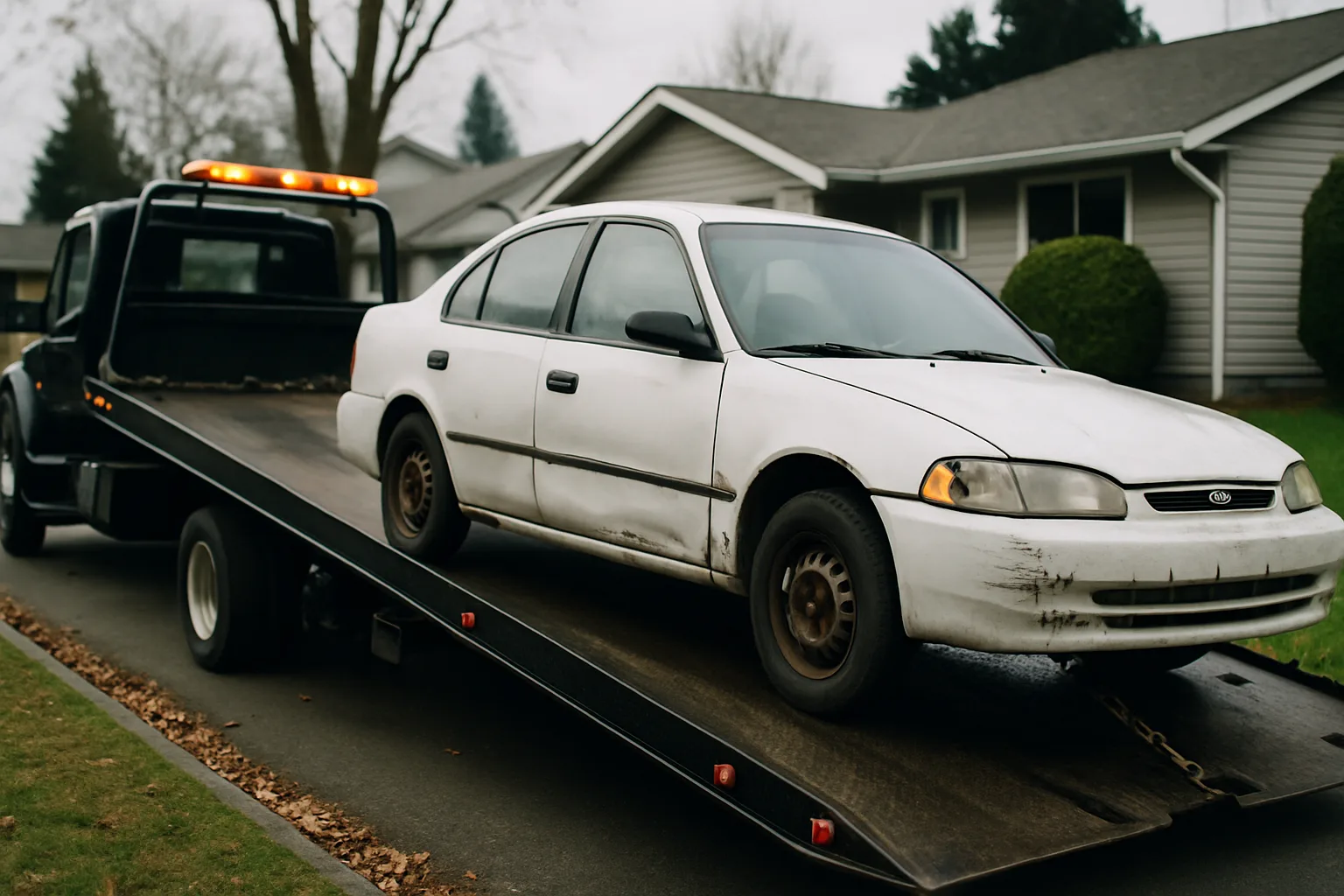
Most car owners think scrap car prices are fixed — a number on a spreadsheet that stays the same whether it's July or January. They're wrong. The month you choose to sell my junk car Chilliwack residents often ask about can make a real difference in what you walk away with. Timing matters, and understanding why puts money back in your pocket.
This guide breaks down how weather, season, and local market conditions in Chilliwack and across British Columbia affect scrap car values — and what you can do to use that knowledge to your advantage.
Why Scrap Car Prices Don't Stay the Same Year-Round
Scrap metal is a commodity. Like copper, oil, or lumber, it moves with market forces — supply, demand, and the cost of processing. When steel mills need more raw material, scrap prices climb. When they're sitting on inventory, prices drop. That cycle doesn't stop for the seasons, but it does get shaped by them.
Beyond the global commodity market, local conditions matter too. In a city like Chilliwack — where winters bring heavy rainfall, occasional freezes, and serious vehicle corrosion — the supply and condition of scrap cars shifts throughout the year. That affects what buyers are willing to pay and how fast they move. Understanding the seasonal rhythm helps you sell your car for cash across Canada at the right moment, not just the most convenient one.
- Steel prices — the global benchmark — fluctuate monthly and sometimes weekly.
- Demand from processors varies by quarter, often peaking in spring and fall.
- Local vehicle supply spikes after winter, flooding the scrap market temporarily.
- Buyer competition weakens when fewer platforms connect sellers to multiple offers.
How British Columbia Winters Drive More Cars to the Scrap Yard
Winter in the Fraser Valley is wet, cold, and hard on vehicles. Chilliwack sits at the base of the mountains, which means it catches significant rainfall and occasional ice events that other parts of the Lower Mainland sometimes avoid. Road salt, standing water, and freeze-thaw cycles accelerate rust and mechanical failures. By February and March, a wave of vehicles that barely made it through winter hits the scrap market all at once.
That supply spike matters. When dozens of beat-up winter casualties flood the local scrap market at the same time, buyers have more options. More supply without a matching increase in demand can push prices down — even temporarily. If your car died in January, waiting until that post-winter glut clears (typically by late April or May) can sometimes yield a better return.
Here's what typically happens across the seasons in British Columbia:
- Winter (December–February): Cold weather accelerates breakdowns. Scrap supply builds. Prices can soften due to increased availability and slower processing activity.
- Spring (March–May): Post-winter rush sends cars to scrap. Supply peaks early, then buyers catch up. By late spring, competition among buyers often strengthens.
- Summer (June–August): Demand from steel mills and processors tends to pick up. Fewer distressed sellers. Prices often stabilize or improve.
- Fall (September–November): A second, smaller surge as people clear driveways before winter. Good buyer activity. Often a solid window to sell.
What Vehicle Condition in Wet Climates Does to Scrap Value
Chilliwack's climate is unforgiving to vehicles that sit. A car left on a damp driveway for two winters can lose significant scrap value — not because steel prices dropped, but because corrosion has eaten into the recoverable metal. Buyers weigh the cost of processing a heavily rusted vehicle differently than one that's been garaged. The difference can be hundreds of dollars.
Catalytic converters, copper wiring, aluminum components, and other non-ferrous metals hold their value well — but only if they're intact. Moisture gets into everything. Wiring corrodes. Cat substrates degrade. If your car is sitting and deteriorating, the clock is working against you. Selling sooner rather than later, especially in a rainy climate, is almost always the smarter financial move.
If you want to understand what your car is actually worth before you call anyone, get a free car valuation first. Knowing your starting point means you can recognize a fair offer and push back on a low one.
How a Scrap Metal Auction Platform Changes the Equation
Here's the old way: you call one buyer, they give you a number, and you take it or leave it — usually take it, because finding another buyer takes time you don't have. That's not price discovery. That's guessing. The buyer knows the market; you don't. That information gap costs sellers money every day.
A scrap metal auction platform like SMASH changes that dynamic completely. Instead of one call to one buyer, your vehicle gets in front of multiple vetted buyers who compete for it. Competition surfaces the actual market rate. When steel prices are strong and buyers are hungry, that competition pushes your number up. When the market is softer, you still know you got the best available offer — not someone's lowball guess.
SMASH brings photo documentation, VIN lookup, and transparent inventory tracking to the process. Buyers see exactly what they're bidding on. That documented detail gives them confidence to bid stronger — which matters most when your vehicle is in rougher condition and you need buyers to look past the surface to the recoverable metal underneath.
When you're trying to sell my car fast Chilliwack style — quickly, with minimal hassle — having a platform that handles buyer competition for you is the difference between hoping for a fair price and actually getting one.
Timing Your Sale: Practical Tips for Chilliwack Car Owners
You can't always control when your car dies. But if you have flexibility, use it. Here's how to think about timing your scrap car sale in the Chilliwack area and across the Fraser Valley:
- Don't wait through a second winter. Every additional season of wet-climate exposure degrades recoverable metal. Sell before the rust spreads further.
- Watch for steel price movement. General commodity news can give you a signal. When steel prices rise, scrap prices typically follow within a few weeks.
- Avoid the post-winter supply glut. If you can, hold off from selling during the February–March rush when supply is highest and buyer leverage is strongest.
- Late spring and fall are historically solid windows. Buyer demand tends to be active, and local supply has usually thinned out.
- Document your car thoroughly before listing. Photos, VIN, any remaining valuable components. Documented inventory gets stronger bids.
- Use multiple buyers, not one. A single-buyer approach leaves money on the table. Platforms like SMASH exist specifically to fix this.
If you're unsure where to start, read Canadian car selling guides that cover everything from paperwork to what buyers actually look for when pricing a scrap vehicle.
Does Season Affect How Fast You Can Sell?
Speed and price aren't always the same question. You might be willing to take slightly less to sell in 24 hours. Or you might have time to wait for the right offer. Season affects both.
In peak supply periods (post-winter), buyers have options. They can afford to move slower or offer less. In tighter supply periods — mid-summer or mid-fall — buyers who need inventory will move faster and sharper. If speed matters to you, understanding that dynamic helps you set realistic expectations about whether a 24-hour pickup is realistic or if it might take a few days.
For most people trying to sell scrap car in British Columbia, the goal is a fast sale at a fair price. Those two things are most achievable when you're selling into a competitive buyer environment, not cold-calling one local yard and hoping for the best. A platform that creates buyer competition solves both sides of that equation at once.
If you're ready to stop guessing and start getting real offers, the right move is straightforward: sell your car for cash across Canada through a process built on competition and transparency, not one-sided phone calls.
Frequently Asked Questions
Q: Does the time of year actually affect how much I get when I sell my junk car in Chilliwack?
Yes, it can. Seasonal supply and demand shifts, steel price cycles, and local market conditions all influence scrap car values. The post-winter period (February–March) often sees the highest local supply, which can soften prices temporarily. Late spring and fall tend to be stronger windows for sellers in the Chilliwack area.
Q: My car has been sitting outside through two Chilliwack winters — is it still worth selling for scrap?
Almost certainly, yes. Even a heavily corroded vehicle contains recoverable steel, and potentially non-ferrous metals like copper and aluminum that hold strong value. The key is selling now rather than waiting — every additional wet season reduces what's recoverable. Get a valuation before assuming it's worthless.
Q: Do I need a title to sell my junk car in Chilliwack?
Requirements vary by buyer. Some junk car buyers near me no title situations can be accommodated — especially if you can provide other proof of ownership like registration documents or a bill of sale. Contact your buyer directly to confirm their documentation requirements before you book a pickup.
Q: How does a scrap metal auction platform help me get a better price?
Instead of accepting one buyer's offer, a scrap metal auction platform puts your vehicle in front of multiple vetted buyers who compete for it. That competition surfaces the real market rate rather than what one buyer decides to offer. SMASH is built specifically for this — more buyers, documented inventory, better price discovery.
Q: How fast can I sell my car for scrap in British Columbia?
In many cases, you can receive offers within 24 hours and arrange pickup within a day or two. Speed depends on your location, buyer availability, and documentation readiness. Having photos, your VIN, and ownership documents ready speeds the process significantly. Platforms like SMASH connect you to active buyers rather than making you wait for one yard to call back.
---If your junk car is sitting in the driveway — taking up space, losing value with every rainy month — the right time to act is now, not after another winter. Get a free quote at cashforcars-canada.ca and find out what your vehicle is worth to competitive buyers across Canada. No pressure, no guessing — just real offers from real buyers.
Want to stay ahead of scrap metal market trends and industry news? Follow SMASH on LinkedIn for regular updates on pricing, platform features, and insights for recyclers and sellers across North America.