Most people think selling a junk car ends the moment the tow truck pulls away. It doesn't. What happens next — inside the auto recycler — is actually what determines how much your car was worth, and whether the buyer paid you a fair price for it. If you're looking to sell my junk car Windsor, understanding this process gives you real leverage at the negotiation table.
The First 24 Hours: Intake, Assessment, and Fluid Removal
Your car arrives at the recycling facility and immediately enters a structured intake process. A yard technician logs the vehicle — VIN, make, model, year, condition notes, odometer if readable. This isn't paperwork for paperwork's sake. It's the beginning of a value chain that can stretch weeks into the future.
Before anything else happens mechanically, the car gets depolluted. Every vehicle contains fluids that are regulated as hazardous waste under Canadian environmental law. Technicians drain and separate:
- Engine oil and transmission fluid
- Coolant and antifreeze
- Brake fluid and power steering fluid
- Refrigerant from the A/C system
- Gasoline remaining in the fuel tank
- Battery acid (lead-acid batteries are removed and sold separately)
This depollution step is mandatory across Ontario and every Canadian province. Yards that skip it face serious regulatory penalties. The fluids recovered here often have resale value — recycled coolant, used oil, and refrigerant all move through established secondary markets. Your old beater is already generating revenue before a single part is pulled.
Parts Harvesting: Where the Real Value Lives
Once the car is clean of fluids, the parts assessment begins. This is where experienced yard techs separate high-value components from scrap-grade material. Not every car has the same parts value — a 2018 Honda CR-V sitting in a Windsor yard has very different salvageable value than a 2004 Ford Taurus. Demand, availability, and condition all factor in.
High-priority parts typically pulled for resale include:
- Catalytic converters — contain platinum, palladium, and rhodium. These are among the most valuable components on any vehicle. Serial numbers are tracked to deter theft.
- Engines and transmissions — pulled, tested where possible, and listed as used units
- Alternators, starters, and power steering pumps — high turnover in the used parts market
- Doors, hoods, and body panels — especially valuable when the colour is in demand
- Airbag modules — strict documentation required; controlled parts in most provinces
- Rims and tires — steel and alloy wheels both have resale markets
- Seats and interior trim — if the interior is clean and the model has demand
Parts that can't be resold as functional components get stripped down further — copper wiring harnesses, aluminum brackets, and steel subframes all get sorted by material type. Nothing that has commodity value gets missed. When you sell your car for cash across Canada, the buyer is essentially paying you a portion of this parts-and-metal value upfront, before they've confirmed what they actually have.
The Metal That's Left: How Scrap Steel Gets Priced and Sold
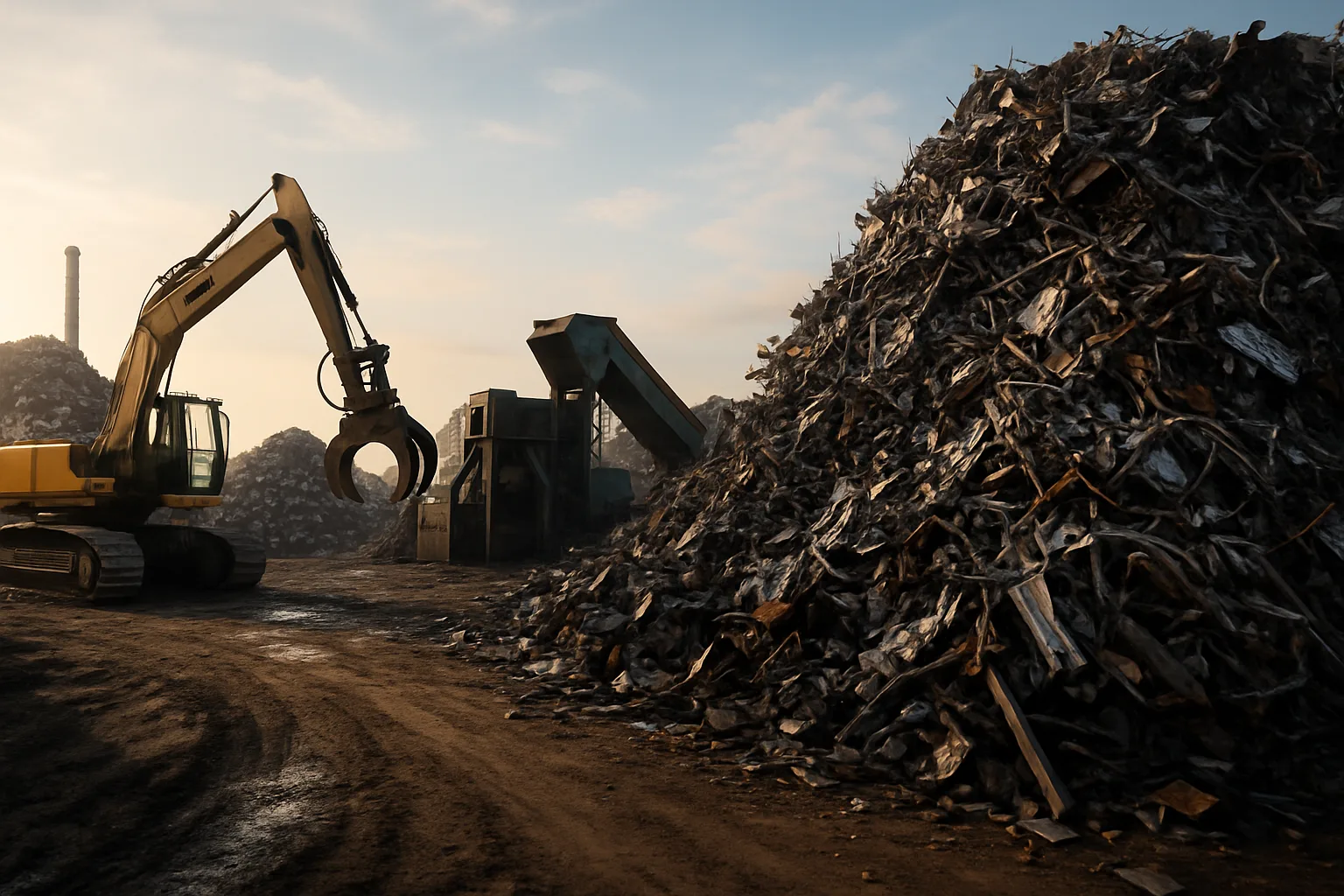
After parts harvesting, what remains is the shell — the body, the frame, the suspension components. This goes to the crusher or shredder, depending on the yard's equipment and the volume they process. A crushed car body is densified into a roughly 18 x 24 inch block of compressed steel. A shredded car is broken into fist-sized fragments and magnetically sorted into ferrous and non-ferrous streams.
Shredded steel — called "shred" in the industry — is the dominant output from auto recyclers. It's sold in bulk loads to mills and foundries that melt it down and roll it into new steel products. The price per tonne fluctuates with global steel markets, energy costs, and regional mill demand. A typical passenger car yields roughly 700 to 900 kilograms of ferrous metal after parts and fluids are removed, though heavier vehicles like trucks and SUVs can yield significantly more.
This is where platforms like SMASH change the equation for yards. Instead of calling one mill and accepting whatever price they offer that day, recyclers using a scrap metal auction platform can put their loads in front of multiple vetted buyers at once. Competition drives better price discovery. Sell your scrap metal on SMASH Recycling and see what actual market demand looks like — not what one buyer tells you it is.
Non-Ferrous Recovery: The Metals Most People Overlook
Steel gets most of the attention, but non-ferrous metals recovered from end-of-life vehicles often carry more value per kilogram. After the shredder runs, eddy current separators and other sorting equipment pull out:
- Aluminum — engine blocks, cylinder heads, transmission housings, wheels, and trim. Aluminum scrap prices are substantially higher per pound than steel.
- Copper — wiring harnesses, motor windings, and radiator cores. Copper is consistently one of the highest-value non-ferrous metals in any scrap stream.
- Zinc — die-cast components throughout the vehicle
- Lead — wheel weights, some older battery components
This non-ferrous fraction, often called "zorba" when mixed and "zurik" when processed further, gets sold to smelters and specialty processors. The revenue from non-ferrous recovery adds meaningfully to what a recycler earns from your car. If you want to get a free car valuation that reflects real scrap market conditions, it helps to understand that the offer you receive is built on all of these revenue streams — not just the weight of the car.
How Buyers Price Junk Cars — And What That Means for You
When a junk car buyer gives you a quote, they're working backward from estimated recovery value. They factor in:
- Current scrap steel prices in your region at that moment
- Expected parts yield based on make, model, year, and condition
- Catalytic converter value — this can swing an offer significantly
- Towing cost from your location to their yard
- Their margin requirement to process and sell the material
That's why identical cars in different conditions — or in different cities — get different quotes. A car in Windsor near the border has different logistics costs than the same vehicle in rural Northern Ontario. The buyer's proximity to mills, their current inventory, and which buyers they sell to all affect what they can offer you today.
Getting multiple quotes is the fastest way to find out where the market actually sits. If you're trying to sell my car fast Windsor, don't accept the first number you hear. The difference between one call and three calls can be significant. Read Canadian car selling guides for more context on how to evaluate offers and what questions to ask before you sign anything over.
Platforms like SMASH apply this exact principle at the yard level — instead of one buyer setting the price on a load of scrap steel or non-ferrous material, multiple vetted buyers compete. The same logic applies when you're trying to sell scrap car in Ontario: more competition means better price discovery, full stop.
What Happens to Your VIN After the Car Is Crushed
One question car sellers rarely ask but should: what happens to your vehicle identification after it's processed? Responsible recyclers in Ontario and across Canada report end-of-life vehicles to the relevant provincial registry. Your ownership liability ends when the vehicle is properly documented out of the system.
Parts pulled for resale — particularly regulated items like airbags and catalytic converters — are tracked by VIN or serial number in compliant operations. This traceability matters for buyers of used parts and for law enforcement tracking stolen components. If a recycler can't tell you how they handle VIN documentation and parts tracking, that's worth noting before you hand over your title.
The recycling process for an end-of-life vehicle, when done right, is thorough, documented, and environmentally responsible. Close to 80% of the average car by weight is recycled or recovered. The industry isn't perfect, but the best operators — the ones worth dealing with — run tight operations with paper trails on every step.
If you're ready to get a fair number and move quickly, the process starts with a quote. Whether you're looking for junk car buyers near me open now or trying to understand what your vehicle is actually worth before you call anyone, knowing this process puts you ahead of most sellers. You're not just selling a car — you're selling a bundle of steel, aluminum, copper, parts, and fluids that someone is going to profit from. You deserve a fair cut of that.
Ready to move? Sell your car for cash across Canada — get a free quote at cashforcars-canada.ca and find out what your vehicle is actually worth in today's market.
Frequently Asked Questions
Q: How long does it take to get paid after I sell my junk car in Windsor?
Most reputable junk car buyers pay on the spot at pickup — either cash or e-transfer at the time the vehicle is collected. If payment is delayed beyond pickup, get the terms in writing before you hand over the keys and ownership documents.
Q: Do I need to remove my license plates before the tow truck arrives?
Yes. In Ontario, license plates belong to the registered owner, not the vehicle. Remove them before pickup and return them to a ServiceOntario location to cancel your registration and stop insurance obligations on the vehicle.
Q: Will a junk car buyer take a car with no title in Windsor?
It depends on the buyer. Some will work with a bill of sale and other supporting documentation if the title is lost, but legitimate buyers will always require proof that you are the registered owner. Contact ServiceOntario to get a replacement permit if needed before selling.
Q: How is my junk car's value calculated?
Buyers estimate value based on current scrap metal prices, the vehicle's weight, parts that can be resold, catalytic converter value, and their towing cost to your location. Prices fluctuate with commodity markets, so what a car is worth today may differ from what it was worth last month.
Q: Is it worth pulling parts myself before calling a junk car buyer?
Sometimes. If you have mechanical knowledge and can safely remove high-value items like a working battery, alternator, or good tires, you may be able to sell those separately for more than a junk buyer would factor them into their offer. However, most sellers find the convenience of a single transaction outweighs the time and effort of DIY parting out.
Disclaimer: Scrap metal and vehicle prices fluctuate based on commodity markets, regional demand, and individual vehicle condition. All prices referenced are general estimates. Check current rates with local buyers before making any decisions.
Stay current on scrap metal market trends and industry news — follow SMASH on LinkedIn for regular updates and insights.