The Journey Begins: What Really Happens After Junk Car Removal in Toronto
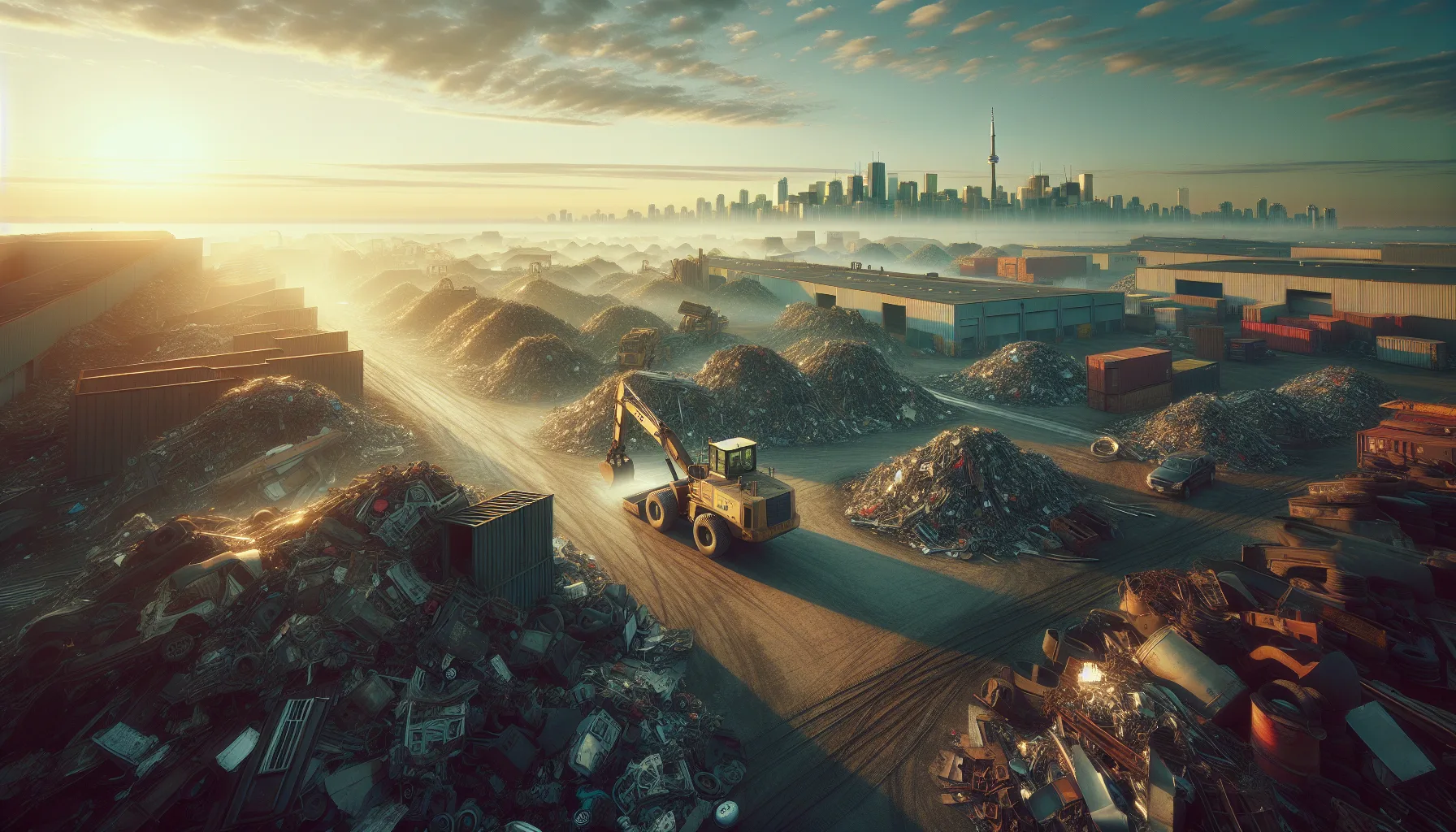
After scheduling junk car removal in Toronto, many car owners wonder what actually happens to their vehicle once it's towed away. The process is far more sophisticated than most people realize. Your old car embarks on a carefully orchestrated journey through modern auto recycling facilities that extract maximum value from every component.
Understanding this process helps Toronto car owners appreciate why platforms like SMASH make selling your car for cash across Canada so straightforward. Auto recyclers have refined their operations to handle thousands of vehicles efficiently while maintaining environmental standards.
The auto recycling industry in Ontario processes over 95% of a vehicle's materials, making it one of the most successful recycling sectors. This efficiency translates directly into the cash offers you receive when you decide to sell your scrap vehicle.
Initial Processing and Vehicle Assessment at the Recycling Facility
Once your car arrives at the auto recycler, the first step involves comprehensive documentation and assessment. Trained technicians record the vehicle's make, model, year, and overall condition. They photograph significant damage and note any valuable components that might fetch premium prices.
The assessment determines the vehicle's processing pathway. Cars with valuable engines or transmissions follow different routes than severely damaged vehicles destined primarily for metal recovery. This evaluation directly impacts your scrap car value today and explains why some vehicles command higher cash offers than others.
Toronto's recycling facilities use specialized software to track each vehicle through the entire process. This digital trail ensures proper documentation for insurance purposes and regulatory compliance. The system also helps optimize the facility's operations by identifying which components are in highest demand.
Environmental safety checks occur during this initial phase. Technicians identify potential hazards like damaged batteries, compromised fuel systems, or refrigerant leaks. These issues require immediate attention before processing can continue.
Fluid Drainage and Hazardous Material Removal
Before any dismantling begins, trained professionals systematically remove all fluids from your vehicle. Engine oil, transmission fluid, brake fluid, power steering fluid, and coolant are carefully drained using specialized equipment. Each fluid type goes into separate collection tanks for proper recycling or disposal.
Gasoline removal requires particular care due to fire safety concerns. Modern facilities use vapor recovery systems to capture fuel vapors while extracting remaining gasoline. This recovered fuel often gets refined and reused rather than wasted.
Battery removal happens early in the process since lead-acid batteries contain hazardous materials but also valuable recoverable lead. The recycling facility either processes these batteries on-site or ships them to specialized battery recycling centers. This step alone can add significant value to your vehicle's total worth.
Air conditioning systems require refrigerant recovery using EPA-approved equipment. The recovered refrigerant can be purified and reused, while the system components become part of the facility's parts inventory. This careful handling explains why vehicles with functioning AC systems often receive higher offers when you get a free car valuation.
Parts Removal and Inventory Management
The dismantling phase transforms your old car into hundreds of individual components. Skilled technicians remove engines, transmissions, alternators, starters, catalytic converters, and other high-value parts first. These components undergo testing to determine their resale potential.
Working parts get cleaned, catalogued, and stored in the facility's inventory system. Many Toronto auto recyclers maintain sophisticated computer databases that track every part's location, condition, and availability. This organization helps them quickly fulfill orders from repair shops and individual customers.
Interior components like seats, dashboard elements, and electronic systems also have resale value. Airbags command particularly high prices when functional. Even smaller items like mirrors, door handles, and trim pieces find buyers through online marketplaces and salvage yards.
The efficiency of this parts removal process directly affects how much cash recyclers can offer for vehicles. Facilities that excel at identifying and preserving valuable components can afford to pay more for cars. This competitive advantage benefits car owners who choose reputable recyclers through platforms like SMASH.
High-Value Component Processing
Catalytic converters receive special attention due to their precious metal content. These emissions control devices contain platinum, palladium, and rhodium - metals worth hundreds or even thousands of dollars depending on current market prices. Recyclers use specialized equipment to recover these metals efficiently.
Electronic control modules (ECMs) and other computer components also have significant value. Many of these parts can be refurbished and resold to repair facilities. The semiconductor shortage of recent years has increased demand for functional automotive electronics.
Metal Recovery and Shredding Operations
After parts removal, what remains is primarily the vehicle's metal structure. This "hulk" contains steel, aluminum, copper, and other recyclable metals that form the foundation of the auto recycling industry's profitability.
Large shredding machines reduce the vehicle structure into fist-sized pieces of mixed metal. These powerful machines can process an entire car body in minutes, creating a stream of shredded material that flows into separation systems.
Magnetic separators extract ferrous metals (steel and iron) from the shredded mix. These materials go to steel mills where they become raw material for new products, including new vehicles. The circular nature of this process means your old car might literally become part of someone's new car.
Non-ferrous metals like aluminum, copper, and brass require different separation techniques. Eddy current separators and air classification systems sort these valuable metals from remaining materials. Aluminum from your car's engine block, wheels, or body panels commands premium prices in today's market.
When you sell scrap metal online through services like SMASH scrap, you're tapping into this well-established metal recovery system. The efficiency of modern recycling operations ensures that virtually every metal component from your vehicle finds a new purpose.
Environmental Processing and Waste Management
Auto recycling facilities in Ontario must comply with strict environmental regulations governing waste handling and disposal. Any materials that cannot be recycled must be disposed of through approved methods that minimize environmental impact.
Glass from windows and headlights often gets recycled into new glass products or used as aggregate in construction projects. Some facilities partner with glass manufacturers to ensure this material doesn't end up in landfills.
Plastic components present unique challenges since automotive plastics come in many different types. Advanced facilities use sophisticated sorting technologies to separate different plastic types for appropriate recycling. Some plastics become new automotive parts while others find use in completely different industries.
Fabric and foam from seats and interior components require specialized disposal methods. While these materials are harder to recycle than metals, responsible facilities ensure they don't contribute to environmental problems.
The comprehensive approach to waste management is one reason why choosing legitimate recyclers matters. When you pursue cash for cars Ontario options, selecting facilities with proper environmental credentials protects both your interests and the environment.
Final Processing and Material Sales
The final stage involves preparing recovered materials for sale to manufacturers and processors. Shredded steel gets baled or loaded into containers for shipment to steel mills. Non-ferrous metals are sorted by type and purity for sale to specialized processors.
Many recycling facilities have long-term contracts with steel mills and metal processors, ensuring steady demand for their recovered materials. These relationships help stabilize prices and ensure consistent cash flow that supports the offers they make to car owners.
Parts inventory management becomes crucial at this stage. Facilities track which parts sell quickly and which items remain in inventory too long. This data helps them refine their dismantling processes and pricing strategies.
The success of these final processing steps ultimately determines how much recyclers can afford to pay for incoming vehicles. Facilities that excel at material recovery and sales can offer more competitive prices when you're looking to read Canadian car selling guides and find the best deals.
Frequently Asked Questions
Q: How long does the entire recycling process take after junk car removal in Toronto?
Most auto recycling facilities process vehicles within 24-48 hours of arrival. The initial assessment and fluid removal happen first, followed by parts dismantling over the next day. Complete processing, including metal shredding, typically finishes within a week of pickup.
Q: Do I need to remove personal items before junk car removal in Toronto?
Yes, you should remove all personal belongings before pickup. While recyclers check vehicles for items, they cannot be responsible for personal property left behind. Remove everything from glove compartments, trunks, and under seats before the tow truck arrives.
Q: What determines scrap car value today when recyclers assess my vehicle?
Current metal prices, working parts inventory, vehicle weight, and local demand all influence your car's value. Vehicles with functioning engines, transmissions, or catalytic converters typically receive higher offers. Market conditions for steel and aluminum also affect pricing daily.
Q: Can I track what happens to my car after it's picked up?
Reputable recyclers provide processing confirmation, but detailed tracking varies by facility. When you get free scrap car pickup across Canada through established services, you'll receive documentation confirming proper processing and environmental compliance.
Q: How do Toronto auto recyclers ensure environmental compliance?
Licensed facilities follow Ontario's environmental regulations for fluid handling, hazardous material disposal, and emissions control. They maintain proper certifications, use approved disposal methods, and undergo regular inspections to ensure compliance with provincial and federal standards.
Understanding the complete auto recycling process helps you appreciate the value chain that makes cash offers possible. From initial assessment through final metal recovery, every step is designed to extract maximum value from your old vehicle while maintaining environmental standards. When you're ready to turn your unwanted car into cash, this sophisticated recycling network stands ready to transform your vehicle into valuable resources. Sell your car for cash across Canada — get a free quote at cashforcars-canada.ca and start your vehicle's recycling journey today.