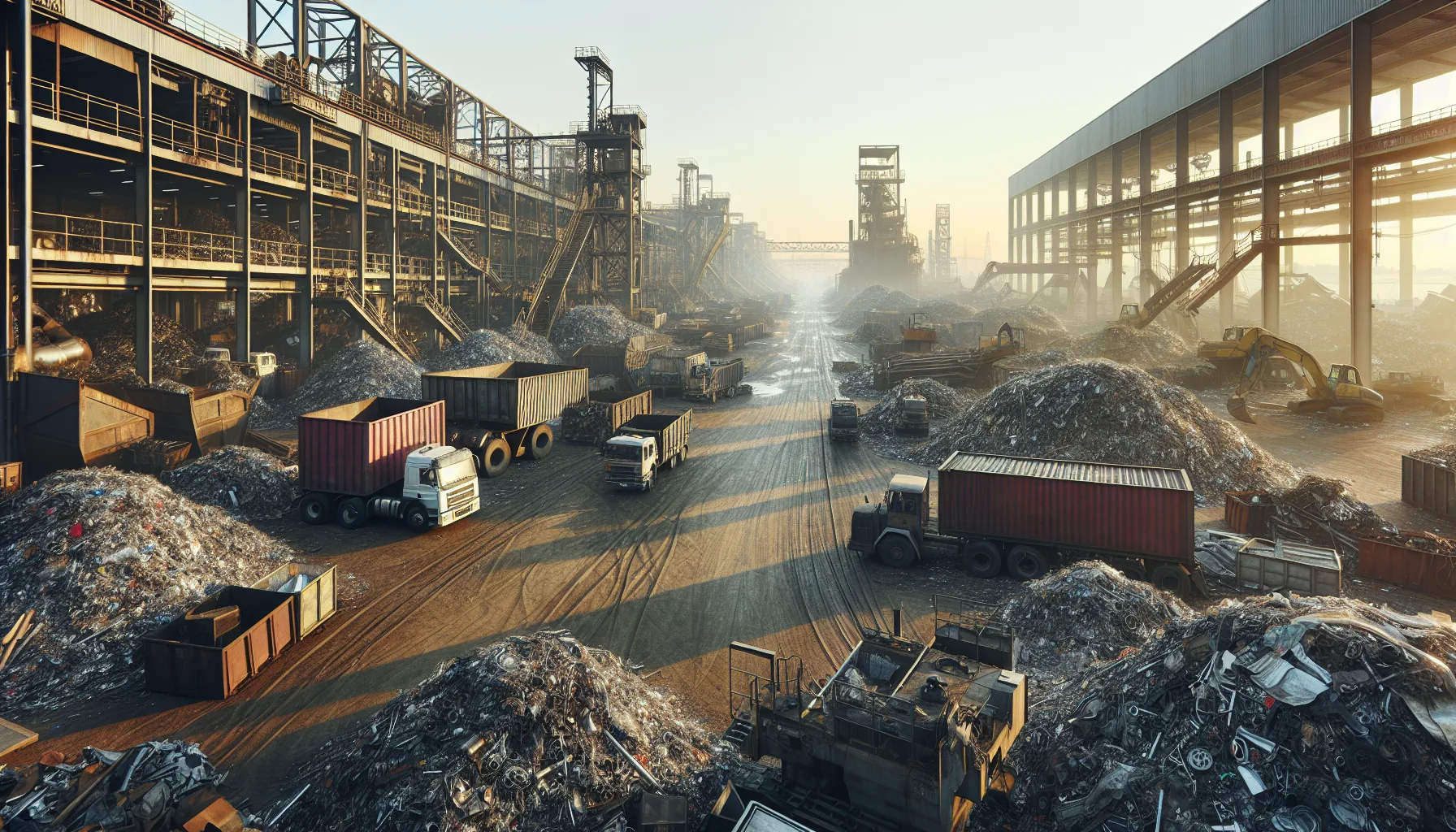
When your car reaches the end of its road life, you'll encounter three different types of businesses: junkyards, salvage yards, and auto recyclers. Understanding these distinctions can significantly impact your scrap car value today and help you make informed decisions about where to sell your vehicle in Richmond, British Columbia.
Most car owners use these terms interchangeably, but each operates with different business models, pricing strategies, and environmental practices. The choice you make affects not only your payout but also determines how your vehicle contributes to the circular economy. With platforms like SMASH revolutionizing how scrap metal moves through the marketplace, understanding these differences becomes even more crucial for maximizing your return.
What Defines a Traditional Junkyard
Traditional junkyards operate as automotive graveyards where vehicles sit in rows until someone needs a specific part. These businesses primarily focus on part resale rather than metal recovery. Customers walk through the yard, locate their desired vehicle, and pull parts themselves using basic tools.
Junkyards typically offer lower prices for complete vehicles because they view cars as inventory rather than immediate profit. They need space to store hundreds of vehicles while waiting for buyers to strip valuable components. This storage-focused model means they often pay $200-$400 for complete cars, depending on make, model, and condition.
The environmental impact varies significantly among junkyards. Some properly drain fluids and remove hazardous materials, while others focus purely on part sales. This inconsistency creates challenges for environmentally conscious car owners who want to ensure responsible disposal of their vehicles.
Payment processing at junkyards tends to be straightforward but slower. You might wait several days for title processing and payment clearance. However, many junkyards in Richmond and throughout British Columbia have modernized their operations to compete with more efficient alternatives.
How Salvage Yards Operate Differently
Salvage yards bridge the gap between junkyards and modern recycling facilities. They systematically dismantle vehicles, categorizing parts by condition and market demand. This organized approach allows them to offer better prices for vehicles with valuable components intact.
Professional salvage yards employ trained technicians who understand which parts retain value and which vehicles should proceed directly to scrap processing. They maintain computerized inventory systems that help customers locate specific parts quickly. This efficiency translates to better pricing for vehicle sellers.
Modern salvage yards often partner with insurance companies to handle total-loss vehicles. This relationship provides steady inventory flow and allows them to pay competitive prices for privately-owned vehicles. When you sell your car for cash across Canada, salvage yards can often provide quotes within hours rather than days.
Environmental compliance at salvage yards typically exceeds junkyard standards. Most maintain proper fluid recovery systems, battery recycling programs, and tire disposal protocols. They understand that environmental responsibility attracts customers who care about their vehicle's end-of-life impact.
The SMASH platform connects salvage yards with scrap metal buyers, creating additional revenue streams that benefit vehicle sellers. When salvage yards can efficiently move processed metal through B2B marketplaces, they pass those savings to customers through higher purchase prices.
Modern Auto Recyclers Lead Industry Innovation
Auto recyclers represent the evolution of automotive disposal. These facilities combine advanced technology with environmental stewardship to maximize both vehicle value and resource recovery. They view each car as raw material for multiple industries rather than simply parts inventory.
Professional recyclers use hydraulic crushers, metal shredders, and separation systems to process vehicles efficiently. This technology allows them to extract maximum value from every pound of steel, aluminum, and precious metals. The result? Higher payouts for vehicle owners and faster processing times.
Environmental leadership distinguishes auto recyclers from other disposal options. They maintain zero-discharge facilities, capture refrigerants for proper disposal, and ensure catalytic converters reach certified precious metal recovery operations. This comprehensive approach appeals to environmentally conscious consumers throughout Richmond and British Columbia.
Digital integration sets modern recyclers apart. Many offer online valuation tools, digital title processing, and same-day pickup services. When you need to get a free car valuation, auto recyclers often provide the most accurate estimates because they understand current metal markets.
Revenue diversification through platforms like SMASH allows auto recyclers to pay premium prices. They're not limited to local scrap buyers—they can access national markets for processed materials. This expanded reach means better pricing for everyone in the supply chain, including individual car sellers.
Pricing Differences That Impact Your Payout
Understanding how each business model affects pricing helps you maximize your return when selling a scrap vehicle. Junkyards typically offer $200-$500 for complete cars because they need extended storage time and uncertain part sales. Their pricing reflects the risk of holding inventory without guaranteed buyers.
Salvage yards generally provide $300-$800 for the same vehicles because they process parts more efficiently. They can quickly identify valuable components and move less useful materials to scrap processors. This faster turnover allows higher initial payouts.
Auto recyclers often offer $400-$1,200 for comparable vehicles because they extract value from every component. They don't rely solely on part sales—they profit from metals, fluids, and even plastic components. This comprehensive approach creates multiple revenue streams.
Current market conditions significantly impact all three pricing models. When you check junk car prices today, you'll notice fluctuations based on steel prices, aluminum demand, and precious metal markets. Auto recyclers typically adjust pricing most quickly because they maintain closer connections to commodity markets.
Geographic factors also influence pricing. Richmond's proximity to shipping ports affects scrap metal export opportunities. Facilities that can efficiently move materials to international markets often provide better local pricing. The SMASH Recycling auction platform helps level the playing field by connecting all facility types with broader buyer networks.
Vehicle condition impacts pricing differently across business models. Junkyards might pay more for cars with intact interiors and body panels. Salvage yards focus on mechanical components and electronic systems. Auto recyclers evaluate total material weight and metal composition, making them ideal for heavily damaged vehicles.
Environmental Impact Considerations
Environmental responsibility varies dramatically between junkyards, salvage yards, and auto recyclers. This difference matters for car owners who care about their vehicle's environmental legacy and for communities concerned about local ecological impact.
Traditional junkyards often struggle with environmental compliance due to limited capital investment in proper systems. Fluid leaks, soil contamination, and improper battery storage can create long-term environmental challenges. However, modern junkyards in Richmond and throughout British Columbia increasingly adopt better practices under regulatory pressure.
Salvage yards typically maintain intermediate environmental standards. They usually capture major fluids and remove obvious hazardous materials, but they might not have sophisticated processing equipment. Their environmental impact falls between traditional junkyards and advanced recyclers.
Auto recyclers lead environmental stewardship in the automotive disposal industry. They invest in closed-loop fluid recovery systems, air filtration equipment, and proper waste segregation protocols. Many achieve certification through environmental management systems that ensure continuous improvement.
Resource recovery rates differ significantly between business models. Auto recyclers typically recover 85-95% of vehicle materials for reuse or recycling. Salvage yards achieve 70-85% recovery rates. Traditional junkyards might only recover 50-70% of materials, with the remainder eventually reaching landfills.
The SMASH marketplace supports environmental goals by connecting all facility types with appropriate buyers for their materials. When junkyards and salvage yards can efficiently sell processed materials, they're incentivized to improve processing capabilities and environmental performance.
Making the Right Choice for Your Situation
Choosing between junkyards, salvage yards, and auto recyclers depends on your priorities, vehicle condition, and timeline. Each option serves different needs within the automotive disposal ecosystem.
If you own a vintage vehicle with rare parts, traditional junkyards might offer the best value. Classic car enthusiasts frequently visit these facilities seeking original components that aren't reproduced. However, this strategy requires patience and acceptance of uncertain timelines.
Vehicle owners seeking balanced pricing and moderate environmental responsibility often prefer salvage yards. These facilities provide reasonable payouts while maintaining better environmental practices than traditional junkyards. They're ideal for late-model vehicles with valuable electronic components.
Auto recyclers appeal to environmentally conscious sellers and those prioritizing convenience. Their advanced processing capabilities, digital services, and comprehensive environmental programs justify slightly higher service expectations. They excel at handling severely damaged vehicles that other facilities might reject.
Time sensitivity influences choice significantly. If you need immediate removal and payment, auto recyclers typically provide the fastest service. When you read Canadian car selling guides, you'll discover that processing speed varies dramatically between facility types.
Location within Richmond affects your options. Some facilities specialize in specific vehicle types or offer pickup services to particular areas. Understanding your local options helps optimize both convenience and pricing for your specific situation.
Market timing also matters. During high commodity price periods, auto recyclers often provide the best returns because they're most responsive to metal market fluctuations. During slower markets, facilities with strong parts businesses might maintain more stable pricing.
Frequently Asked Questions
Q: What's the difference in payout between junkyards and auto recyclers for scrap car value today?
Auto recyclers typically offer 25-50% higher payouts than traditional junkyards because they extract value from all vehicle materials, not just sellable parts. Current market rates show junkyards paying $200-$500 while auto recyclers offer $400-$1,200 for comparable vehicles. The exact difference depends on your vehicle's condition, weight, and current commodity prices.
Q: How quickly can I sell my junk car online in Richmond?
Modern auto recyclers in Richmond often complete transactions within 24-48 hours, including online valuation, pickup scheduling, and payment processing. Traditional junkyards might require 3-7 days for complete transactions. Digital platforms like SMASH help streamline the process by connecting sellers with multiple buyers simultaneously.
Q: Which facility type offers the best environmental protection when I sell scrap car Richmond?
Auto recyclers provide the most comprehensive environmental protection through advanced fluid recovery systems, proper hazardous material handling, and higher material recovery rates (85-95% vs 50-70% for traditional junkyards). Many maintain environmental certifications that ensure responsible processing of all vehicle components.
Q: Do B2B scrap metal marketplaces like SMASH affect my payout?
Yes, B2B platforms like SMASH typically increase your payout by helping facilities access broader markets for processed materials. When junkyards, salvage yards, and recyclers can efficiently sell materials through auction platforms, they often pass those benefits to customers through higher purchase prices. This creates a win-win situation for both sellers and buyers.
Q: Can I get quotes from multiple facility types for the same vehicle?
Absolutely. Getting quotes from junkyards, salvage yards, and auto recyclers helps you understand current market conditions and choose the best option for your situation. Many facilities provide free quotes, and comparison shopping often results in higher final payouts. Online platforms make this process increasingly convenient for vehicle owners across British Columbia.
Understanding the differences between junkyards, salvage yards, and auto recyclers empowers you to make informed decisions about your end-of-life vehicle. Whether you prioritize maximum payout, environmental responsibility, or processing convenience, there's a facility type that matches your needs. The evolving marketplace, enhanced by platforms like SMASH, continues improving options for vehicle owners throughout Richmond and beyond. Ready to discover your vehicle's current value? Sell your car for cash across Canada — get a free quote at cashforcars-canada.ca.
Follow SMASH on LinkedIn for the latest industry updates and scrap metal market insights.