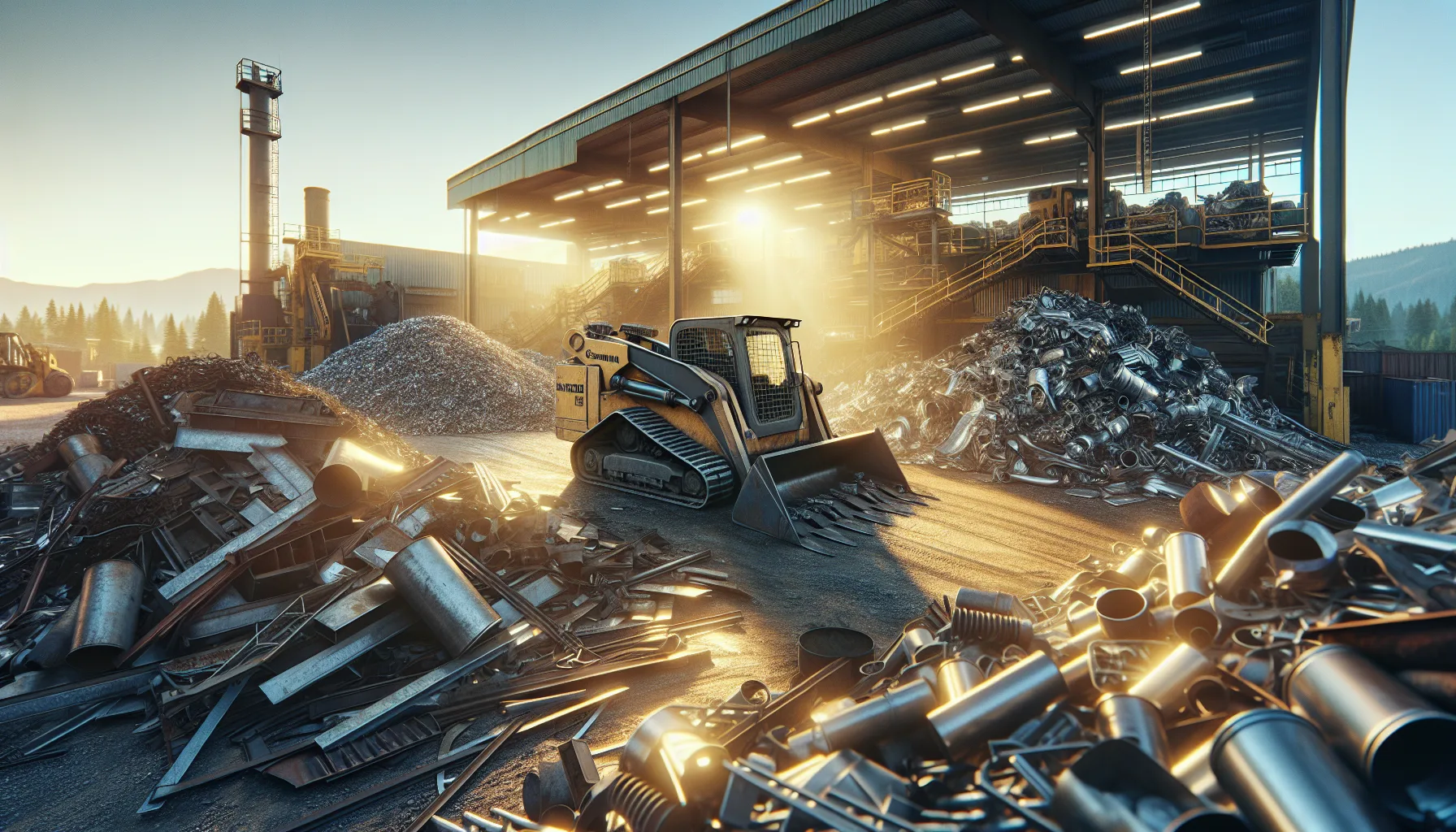
The scrap car market in British Columbia has evolved significantly, with digital platforms making it easier than ever to get accurate valuations. Whether your car runs or not, understanding its true worth helps you negotiate better deals and avoid lowball offers from unscrupulous buyers.
What Determines Your Scrap Car's Value in 2026
Your car's scrap value depends on several measurable factors that buyers evaluate immediately. Weight remains the primary factor — most cars contain 2,000-4,000 pounds of steel, aluminum, and other metals. Current scrap steel prices in Canada hover around $150-$250 per ton, meaning your vehicle's base metal value ranges from $150-$500 before considering other components.
The catalytic converter represents your car's most valuable single component. Depending on your vehicle's make and age, these emission control devices contain precious metals worth $50-$800. Luxury cars and hybrids typically have higher-value converters, while older domestic vehicles may have less valuable units. Many car owners don't realize they can sell your scrap metal on SMASH Recycling separately to maximize returns.
Working parts significantly increase your car's worth beyond scrap metal value. Engines, transmissions, airbags, and electronic systems can add hundreds or thousands to your payout. Even non-running cars often have valuable components that auto recyclers resell to repair shops and individual mechanics.
Year, make, and model heavily influence demand. Popular vehicles like Honda Civic, Toyota Corolla, and Ford F-150 models maintain higher scrap values because their parts remain in constant demand. Luxury vehicles may have expensive components, but finding buyers for specialized parts can be challenging.
Realistic Price Ranges for Cash for Cars British Columbia
Understanding realistic price ranges helps you identify fair offers and avoid scams. Complete non-runners typically fetch $300-$800 in Kelowna, depending on size and condition. Compact cars usually fall on the lower end, while trucks and SUVs command higher prices due to increased metal content and part demand.
Cars with mechanical issues but some working components generally sell for $800-$1,500. This category includes vehicles with transmission problems, engine damage, or significant body damage that makes repair uneconomical. The key factor is whether major components like the engine block or transmission case remain intact.
- Compact cars (non-running): $300-$600
- Mid-size sedans: $400-$800
- Full-size trucks/SUVs: $600-$1,200
- Luxury vehicles with intact parts: $800-$2,000
- Vehicles with valuable catalytic converters: Add $100-$600
These ranges reflect current market conditions in British Columbia, where transportation costs and local demand affect final payouts. Urban areas like Kelowna typically offer slightly higher prices than remote locations due to established recycling infrastructure and competition among buyers.
How to Get the Most Money When You Sell My Car for Cash Kelowna
Maximizing your car's value requires strategic preparation and smart buyer selection. Start by gathering all relevant documentation — title, registration, and maintenance records. While junk car buyers don't require perfect paperwork, having proper documentation streamlines the process and builds buyer confidence.
Remove all personal items and aftermarket additions you want to keep. Expensive stereo systems, custom wheels, or GPS units won't significantly increase your car's scrap value, but you can sell these items separately. Don't remove the catalytic converter yourself — legitimate buyers prefer intact vehicles and may reduce offers for missing components.
Get multiple quotes to compare offers fairly. Reputable services that sell your car for cash across Canada typically provide free, no-obligation quotes over the phone or online. Be honest about your car's condition — exaggerating problems or benefits only wastes everyone's time.
Consider timing your sale strategically. Scrap metal prices fluctuate based on global demand, seasonal factors, and economic conditions. While you can't predict short-term price movements, avoiding panic sales during personal emergencies often results in better deals.
Research local buyers thoroughly before agreeing to any sale. Legitimate companies offer transparent pricing, proper licensing, and professional service. They should provide free towing and handle all paperwork properly. Avoid buyers who demand upfront fees or seem evasive about licensing and insurance.
Understanding Scrap Metal Prices and Market Factors
Scrap metal prices directly impact your car's value, making basic market knowledge valuable for negotiations. Steel comprises 60-70% of most vehicles, making steel prices the primary value driver. Current Canadian steel prices reflect global supply chains, construction demand, and recycling infrastructure capacity.
Aluminum content varies significantly between vehicles but typically represents 8-12% of total weight. Aluminum prices generally exceed steel prices by 3-4 times per pound, making aluminum-heavy vehicles like some luxury cars and trucks more valuable. Engine blocks, wheels, and body panels contribute most aluminum content.
Copper wiring throughout your vehicle adds modest but measurable value. While individual cars rarely contain enough copper to significantly impact total value, it contributes to overall metal worth. Electric and hybrid vehicles contain substantially more copper due to their complex electrical systems.
Market timing affects prices more than many sellers realize. Construction seasons, infrastructure projects, and manufacturing cycles influence demand. However, holding onto a deteriorating vehicle hoping for better prices often costs more in storage and further depreciation than immediate sale benefits.
Finding Legitimate Junk Car Buyers Near Me Within 5 Mi
Locating trustworthy buyers in the Kelowna area requires careful research and verification. Start by checking business licenses and insurance coverage — legitimate auto recyclers maintain proper documentation and insurance to protect both parties. The Better Business Bureau and online reviews provide insight into company reputations and customer experiences.
Professional buyers offer free vehicle pickup and handle all towing logistics. They should provide written quotes and clear timelines for pickup and payment. Be wary of buyers who require you to deliver the vehicle or demand payment for towing services.
Many car owners find success with established platforms that connect sellers with verified buyers across Canada. These services typically pre-screen buyers, standardize pricing, and provide customer support throughout the transaction. Platforms like SMASH simplify the process by connecting you with legitimate recyclers and scrap dealers in your area.
Local auto recyclers and salvage yards represent traditional options, but quality varies significantly. Visit facilities in person when possible to assess professionalism and proper licensing. Established businesses typically maintain clean, organized operations and can provide references from previous customers.
Consider mobile car buying services that come to your location for evaluations. These services often provide more accurate assessments than phone-based quotes because buyers can physically inspect vehicles. However, verify the service's legitimacy before sharing your address or personal information.
The Complete Process: From Quote to Cash
Understanding the typical sales process helps you navigate transactions confidently and identify potential issues early. Most legitimate buyers follow a standard process that protects both parties while ensuring smooth transactions.
Initial contact typically involves providing basic vehicle information — year, make, model, mileage, and general condition. Honest descriptions lead to more accurate quotes and fewer surprises during pickup. Most buyers ask about the vehicle's running condition, obvious damage, and whether you have the title.
Quote verification often requires additional details or photos, especially for higher-value vehicles. Some buyers request photos of the catalytic converter, engine bay, or specific damage areas. This step helps buyers provide accurate offers and prepare appropriate towing equipment.
Pickup scheduling should accommodate your availability within reasonable timeframes. Professional services typically offer flexible scheduling and confirm appointments 24 hours in advance. They should provide clear arrival windows and contact information for their drivers.
Payment processing varies by buyer but should be clearly explained upfront. Many companies offer immediate cash payment upon pickup, while others provide checks or electronic transfers. Avoid buyers who delay payment or request personal financial information beyond what's necessary for legal documentation.
Documentation completion includes title transfer and any required paperwork for legal sale. Buyers should handle most paperwork but may require your signature on transfer documents. Keep copies of all documents for your records, especially proof of sale for insurance and tax purposes.
For those interested in exploring broader recycling opportunities beyond vehicles, you can read Canadian car selling guides that cover various topics including market trends and regulatory requirements.
Frequently Asked Questions
Q: How much can I expect for my junk car in Kelowna in 2026?
Most non-running vehicles in Kelowna sell for $300-$800, depending on size and condition. Larger vehicles like trucks and SUVs typically command higher prices due to increased metal content. Cars with valuable components or intact catalytic converters may fetch $1,000-$2,000.
Q: Do I need a title to sell my junk car for cash in British Columbia?
While having a clear title simplifies the process, many buyers accept vehicles without titles if you can prove ownership through registration or insurance documents. Some buyers charge slightly less for title-less vehicles to cover additional paperwork processing.
Q: How quickly can junk car buyers pick up my vehicle?
Most professional buyers offer pickup within 24-72 hours of accepting their quote. Emergency or expedited pickups may be available for additional fees, while some buyers provide same-day service in urban areas like Kelowna.
Q: Should I remove parts before selling my car for scrap?
Generally, leave the vehicle intact unless you have specific valuable aftermarket parts you want to keep. Removing major components like catalytic converters often reduces the total offer more than the parts are worth individually.
Q: What's the difference between scrap value and salvage value?
Scrap value reflects the worth of your car's raw metals, typically $150-$500. Salvage value includes usable parts and components, potentially increasing total worth to $800-$2,000 depending on part demand and condition.
Ready to turn your unwanted vehicle into cash? Whether your car runs or not, professional buyers across Canada are ready to provide fair market value for your vehicle. Get a free car valuation today and discover what your scrap car is really worth — you might be surprised by the offer.
Follow SMASH on LinkedIn for the latest industry updates and scrap metal market insights to stay informed about market trends that affect your vehicle's value.