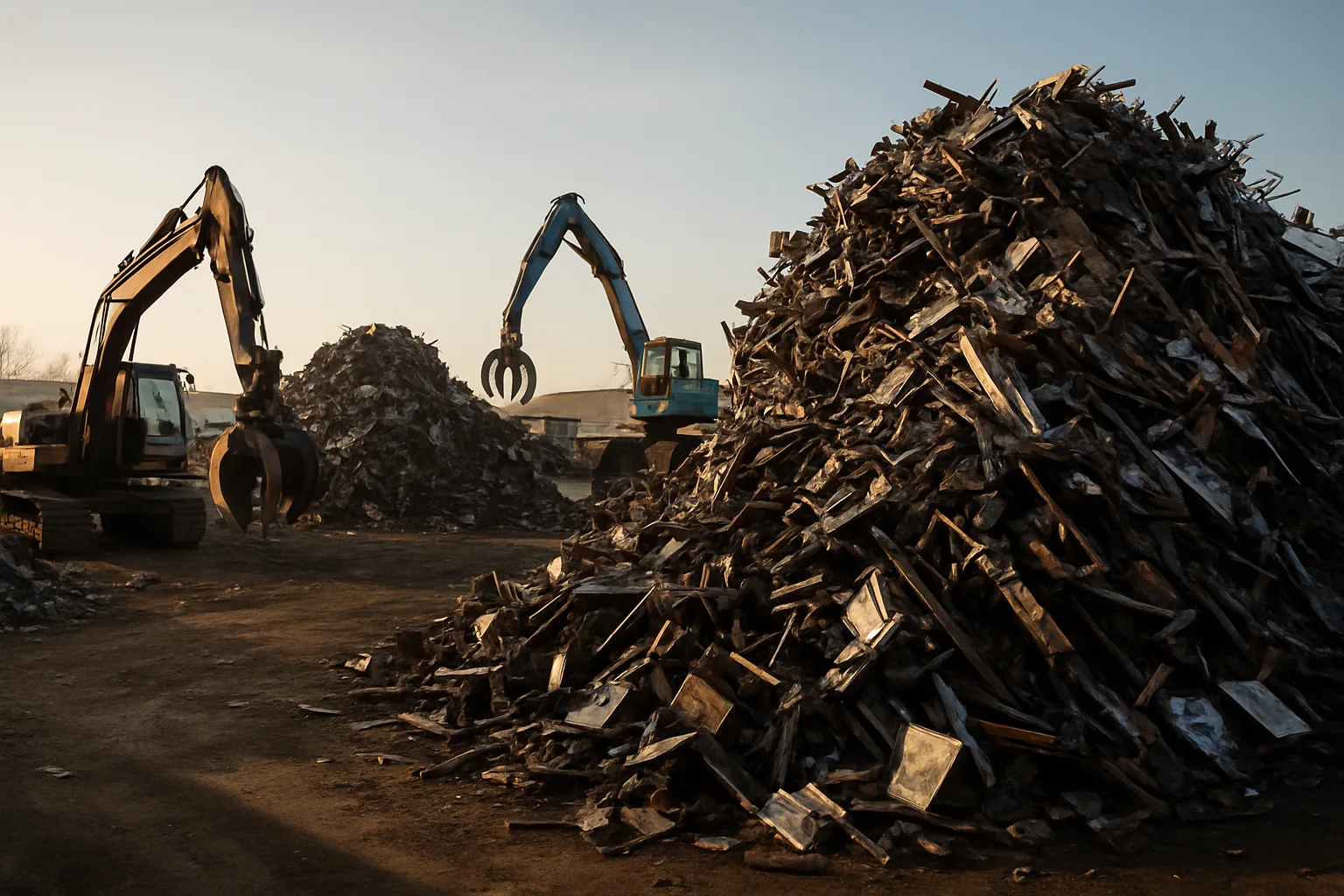
Why the Season You Sell Your Junk Car Matters More Than You Think
Most people assume scrap car prices are fixed — a rough number based on the weight of the vehicle and whatever copper or steel happens to be worth that week. But here's what a lot of sellers miss: the time of year you sell can shift what you're offered, sometimes by a meaningful margin. Weather patterns, seasonal demand cycles, and regional market rhythms all play a role. If you're searching for junk car buyers near me Sydney, understanding this cycle puts you in a stronger position before you even make the first call.
This isn't theory. It's how the scrap and recycling industry actually moves. Knowing when to sell — and why prices behave the way they do — is the difference between leaving money on the table and walking away satisfied. Let's break it down.
How Seasonal Demand Drives Scrap Car Prices Across Canada
Scrap metal markets are tied to manufacturing and construction activity, both of which follow seasonal rhythms. Spring and early summer typically see a surge in steel demand as construction projects ramp up across the country. That increased demand flows downstream — recyclers process more material, yards move more inventory, and prices for ferrous metals can firm up. If you're thinking about selling a scrap car in Nova Scotia, late spring through early summer has historically been an active window.
Fall tells a different story. Construction activity winds down, manufacturing orders can soften, and some yards begin managing inventory more conservatively heading into winter. This doesn't mean prices collapse — but it does mean competition for your load may ease off, and that's when having access to multiple buyers matters most. Platforms like SMASH exist precisely for moments like this: when a single phone call to a single buyer is the worst strategy you can use.
Here's how seasonal demand typically stacks up across a calendar year:
- Winter (December–February): Slower activity, some yards reduce intake, prices can soften on ferrous. Non-ferrous metals like copper and aluminum can remain more stable.
- Spring (March–May): Market activity picks up, construction demand returns, scrap prices often firm. Strong window to sell.
- Summer (June–August): Peak activity in many regions. Higher throughput at yards. Good time to move volume.
- Fall (September–November): Transitional period. Prices can fluctuate. Competition among buyers may ease before year-end.
These are patterns, not guarantees. Actual prices depend on global steel and metal markets, local supply conditions, and what buyers in your area are actively seeking. Always check current rates before committing — prices fluctuate, and no article can replace a live quote.
Weather's Direct Impact on Scrap Car Values in Atlantic Canada
If you're in Cape Breton or anywhere across Nova Scotia, weather isn't just background noise — it directly affects the logistics of scrapping a vehicle. A hard winter with heavy snowfall slows towing operations, limits yard accessibility, and can push pickup timelines out by days or weeks. Some smaller recyclers scale back operations entirely during January and February. That reduced operational capacity can translate to lower offers, simply because a buyer who's managing weather-related costs has less flexibility on price.
Sydney, Nova Scotia sits in a region that gets real winter. Snow, freeze-thaw cycles, and Atlantic storms aren't abstractions here — they're operational realities for anyone running a recycling yard or towing operation. Sellers who plan ahead and move their vehicles in late spring or early summer avoid the friction of winter logistics entirely. You get more buyers willing to bid, fewer delays, and a cleaner transaction overall.
There's also a vehicle condition angle. Cars that have sat through multiple Cape Breton winters accumulate significant rust and corrosion — particularly in the undercarriage, frame rails, and floor pans. That deterioration affects the metal yield a buyer can expect from the vehicle, which in turn affects the offer. If your car has been sitting outside for two or three winters, selling it sooner rather than later makes financial sense. Every additional season of exposure is value walking out the door.
The Price Discovery Problem — And How SMASH Solves It
Here's the old way of selling a junk car: you call one buyer, they give you a number, you either take it or spend an afternoon making more calls. You have no idea if that first number was fair, low, or insulting. You're negotiating blind.
That model is broken. It was always broken — it just used to be the only option.
When you sell your car for cash across Canada through a platform that brings verified buyers into competition, the dynamic changes completely. More buyers means better price discovery. The market tells you what your car is worth instead of one buyer telling you what they'd like to pay for it. SMASH Recycling — where verified buyers bid on your metal — is built on exactly this principle. Documented inventory, vetted buyers, and competitive auctions replace guesswork with transparency.
This matters even more during volatile seasons. When scrap prices are moving — whether up in a strong spring market or sideways in a slow fall — knowing the real market value of your vehicle protects you. A single buyer in a soft market has every incentive to shade their offer low. A room full of buyers competing for your vehicle does not.
If you want to understand how this process works and why it produces better outcomes, read Canadian car selling guides that walk through the full process from valuation to pickup.
What Your Scrap Car Is Actually Worth — Key Factors Beyond the Season
Seasonal timing improves your odds, but the base value of your vehicle still comes down to what it is and what it contains. Understanding these factors helps you have smarter conversations with buyers and spot an offer that's below market.
Vehicle weight and metal composition are the foundation. A full-size pickup or SUV carries significantly more steel than a compact sedan. Heavier vehicles generate more scrap revenue per unit, which is why buyers are often more competitive on trucks and vans. If you're looking to get a free car valuation, having your vehicle's year, make, model, and approximate weight ready speeds up the process.
Beyond steel, here's what else affects your offer:
- Catalytic converter: Contains platinum, palladium, and rhodium — precious metals with real market value. A working or intact cat adds to the offer.
- Non-ferrous metals: Copper wiring, aluminum components, and brass fittings all carry premiums over basic steel pricing.
- Reusable parts: Engines, transmissions, and body panels in good condition may attract buyers willing to pay above pure scrap weight.
- Tires and rims: Usable rubber and alloy wheels can add incremental value to the overall offer.
- Condition and accessibility: A car parked in a driveway is easier to move than one buried in a field or up on blocks in a tight space. Logistics affect the offer.
No title? That's a question that comes up constantly. Requirements vary by province, and some buyers across Canada will work with alternative documentation. If you're concerned about paperwork, ask the buyer directly before committing. Don't let a missing title stop you from getting a quote.
When to Sell — Practical Timing Advice for Nova Scotia Sellers
If your vehicle has been sitting through the winter and you're thinking about selling, spring is your window. Metal markets are typically more active, buyers are more competitive, and the logistics of towing are straightforward. Waiting until December because you haven't gotten around to it costs you in multiple ways — more rust, fewer active buyers, and tighter margins across the board.
For sellers in Sydney and across Cape Breton, the practical advice is simple: don't let another winter happen to your car. An old vehicle sitting on a property isn't an asset in waiting — it's depreciating by the month. The scrap value of a car that's been sitting for five years is lower than it was three years ago, not higher. Metal yields drop, parts degrade, and buyers price that in.
The best move is to get a quote now, understand what the market is paying, and make a decision from a position of information rather than guesswork. Whether you're in Sydney, Truro, Halifax, or anywhere else across Nova Scotia — or for that matter anywhere across Canada — the same principle applies. Competition produces better outcomes than a single cold call ever will.
Ready to find out what your vehicle is actually worth? Sell your car for cash across Canada and get a free quote at cashforcars-canada.ca. It takes a few minutes, and you'll know exactly where you stand before you commit to anything.
Disclaimer: Scrap metal and vehicle prices fluctuate based on commodity markets, regional demand, and individual vehicle conditions. All pricing information in this article is general in nature. Always request a current quote before making any selling decisions.
Frequently Asked Questions
Q: How do I find reliable junk car buyers near me in Sydney, Nova Scotia?
Start with services that operate across Nova Scotia and have a track record of transparent pricing. Avoid buyers who won't give you a firm written offer before showing up. Platforms that bring multiple vetted buyers into competition — like SMASH — give you a market-based number rather than a single buyer's best guess. Getting more than one quote is always the right move.
Q: Does the time of year really affect cash for cars offers in Sydney?
Yes — meaningfully so. Spring and summer tend to be more active periods for scrap and recycling markets, which can translate to more competitive offers. Winter in Atlantic Canada slows logistics and reduces buyer activity, which can soften pricing. Selling between April and August is generally the stronger window for sellers in the Sydney area.
Q: Can I sell a scrap car in Nova Scotia if I don't have the title?
Requirements vary by province and by individual buyer. Some buyers across Canada will accept alternative proof of ownership, such as a registration document or other government-issued vehicle record. Always disclose the title situation upfront and ask the buyer what documentation they require before scheduling a pickup. Don't assume a missing title automatically disqualifies your vehicle.
Q: What happens to my car after it's picked up by a scrap buyer?
Most vehicles go through a depollution process first — fluids are drained, batteries are removed, and hazardous materials are handled according to provincial environmental regulations. The vehicle is then dismantled for reusable parts and the remaining metal is shredded and sorted for recycling. Steel, aluminum, copper, and other metals enter the secondary materials market and eventually get processed back into new products.
Q: Is free junk car removal actually available, or are there hidden fees?
Reputable buyers offering free pickup mean exactly that — no towing charges deducted from your offer at the door. The key is to confirm in writing that the quoted price is the amount you'll receive, with towing included. If a buyer shows up and suddenly adjusts the offer downward citing logistics costs, that's a red flag. Get the full terms confirmed before the truck arrives.
Stay current on scrap metal markets and industry news — follow SMASH on LinkedIn for regular updates on metal prices, buyer activity, and what's moving in the Canadian recycling market.