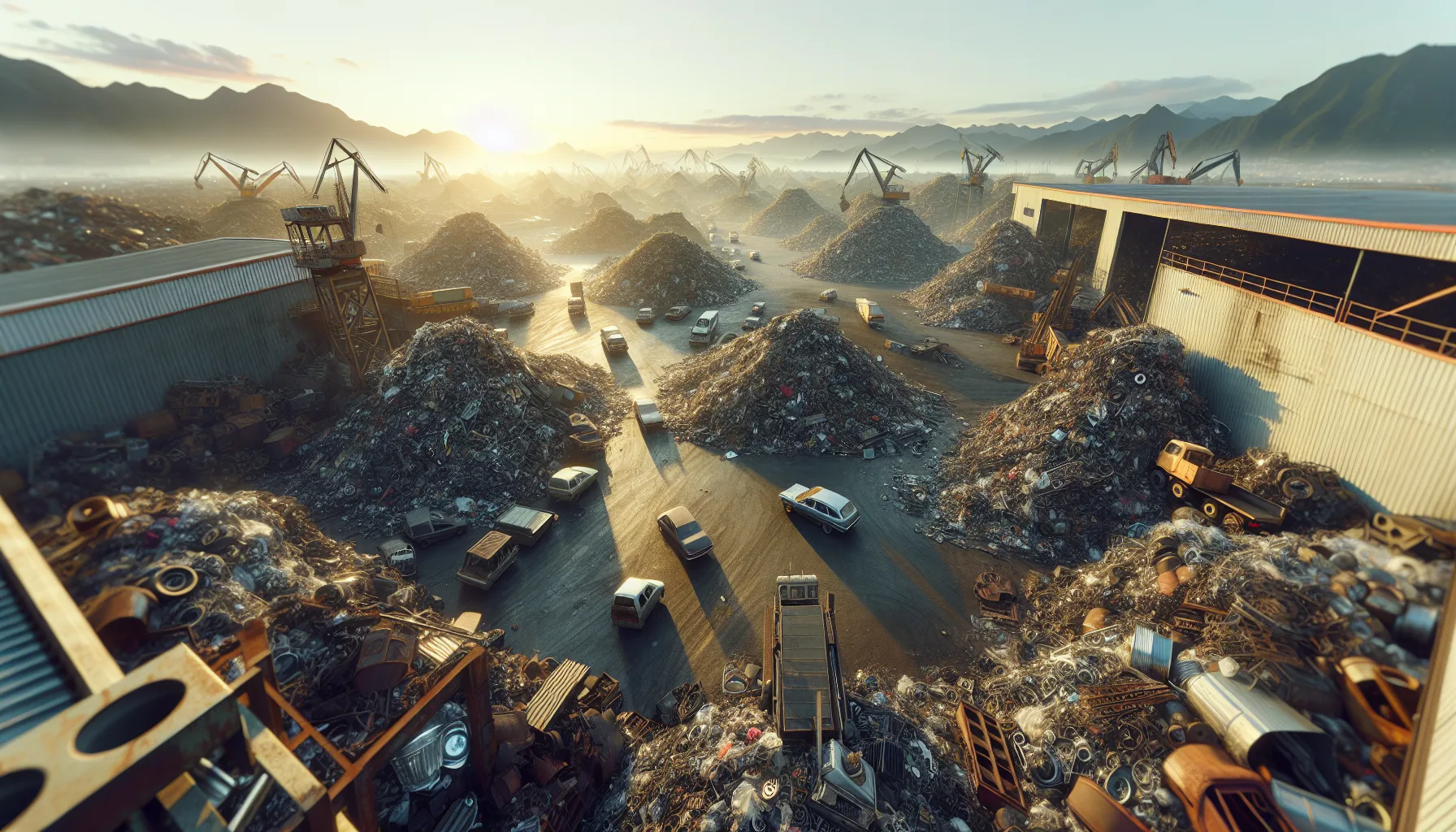
Ever wondered what happens to your old car after junk car buyers near me Saint John pick it up? Most car owners hand over their keys, collect their cash, and never think about their vehicle again. But your car's journey is just beginning — it's about to undergo a fascinating transformation that turns scrap into valuable resources.
When you sell your car for cash across Canada, you're participating in one of the most efficient recycling industries on the planet. Auto recyclers process millions of vehicles annually, recovering approximately 80% of a car's materials for reuse. This massive operation creates jobs, reduces environmental waste, and keeps valuable metals circulating in the economy.
Understanding this process helps you appreciate why cash for cars Saint John services pay competitive rates for vehicles. Your "junk" car contains hundreds of pounds of steel, aluminum, copper, and other materials worth real money on today's market. Let's follow your vehicle through its recycling journey.
Initial Processing and Vehicle Assessment at the Recycling Facility
When your car arrives at the auto recycling facility, it undergoes immediate assessment. Trained technicians evaluate the vehicle's condition, noting any reusable parts, fluid levels, and overall structural integrity. This initial inspection determines the recycling strategy and potential value recovery from your vehicle.
The first step involves documenting the vehicle identification number (VIN) and verifying ownership transfer paperwork. Recyclers maintain detailed records for regulatory compliance and to prevent theft. In Saint John and across New Brunswick, licensed auto recyclers follow strict provincial guidelines for vehicle processing and environmental protection.
During assessment, technicians identify valuable components like engines, transmissions, catalytic converters, and electronic systems. Modern cars contain sophisticated computer modules, navigation systems, and safety equipment that retain significant resale value. These components often find new life in repair shops or as replacement parts for similar vehicles.
The vehicle gets photographed and entered into the recycler's inventory management system. This digital record tracks the car through each processing stage, ensuring proper handling and maximizing value recovery. Many facilities use specialized software to manage thousands of vehicles simultaneously.
Fluid Drainage and Environmental Safety Procedures
Before any dismantling begins, certified technicians safely remove all automotive fluids. This critical step prevents environmental contamination and recovers valuable materials. Modern vehicles contain numerous fluids requiring specialized handling — motor oil, transmission fluid, brake fluid, power steering fluid, coolant, and refrigerants.
Each fluid gets drained using proper equipment and stored in designated containers. Used motor oil undergoes re-refining to produce new lubricants, while coolant gets recycled or disposed of according to environmental regulations. Brake and transmission fluids receive similar treatment, with many facilities partnering with specialized fluid recycling companies.
Air conditioning refrigerants require special attention due to environmental regulations. Certified technicians use recovery equipment to capture R-134a and newer R-1234yf refrigerants. These chemicals undergo proper recycling or destruction to prevent ozone depletion and greenhouse gas emissions.
Battery removal happens during this stage, with lead-acid batteries sent to specialized recyclers. Car batteries contain valuable lead and plastic that gets recovered and reused in new battery manufacturing. Mercury switches, found in older vehicles, receive careful removal and disposal through hazardous waste programs.
Parts Harvesting and Resale Operations
Once fluids are safely removed, skilled dismantlers begin harvesting reusable parts. This process requires extensive automotive knowledge to identify valuable components and remove them without damage. Engines, transmissions, and rear axles represent high-value items that command strong resale prices.
Electronic components receive special attention in today's connected vehicles. Navigation systems, entertainment centers, engine control modules, and safety systems like airbags and ABS units retain significant value. These parts undergo testing to verify functionality before entering the used parts market.
Body panels, doors, hoods, and trunk lids get evaluated for damage and market demand. Undamaged parts from popular vehicle models often sell quickly to collision repair shops and individual customers. Many auto recyclers maintain online inventories, making it easy for customers across Canada to locate specific parts.
Interior components like seats, dashboards, and trim pieces also find new homes. Leather seats from luxury vehicles command premium prices, while specialty trim pieces for discontinued models become particularly valuable. Read Canadian car selling guides to understand which vehicle components hold the most value in the recycling market.
Quality Control and Part Testing
Reputable recyclers test harvested parts to ensure functionality and safety. Engines undergo compression testing, while transmissions get checked for proper shifting and fluid condition. Electronic components receive diagnostic testing using specialized equipment to verify all functions operate correctly.
Parts that pass quality control get cleaned, catalogued, and prepared for sale. Many facilities offer warranties on used parts, providing customers confidence in their purchases. This quality assurance process helps maintain the recycler's reputation and ensures customer satisfaction.
Metal Recovery and Scrap Processing Operations
After useful parts removal, the remaining vehicle shell enters the metal recovery process. This stage transforms your car into valuable scrap metal commodities sold to steel mills and foundries. The average vehicle contains approximately 2,400 pounds of steel and iron, plus smaller amounts of aluminum, copper, and other metals.
Large shredding machines reduce car bodies into fist-sized pieces in seconds. These powerful machines can process entire vehicles, separating different metal types through magnetic and density separation techniques. The resulting metal fragments get sorted into various grades based on composition and quality.
Magnetic separators remove ferrous metals (iron and steel) from the shredded material. Non-ferrous metals like aluminum, copper, and brass undergo additional separation using eddy current separators and other specialized equipment. This precise sorting ensures each metal type meets industry specifications for remelting.
Modern scrap metal auction platform services like SMASH help recyclers optimize their metal sales by connecting them with multiple buyers. These platforms create competitive bidding environments that maximize prices for recycled materials. When you sell your scrap metal on SMASH Recycling, you participate in this efficient marketplace system.
Advanced Material Recovery Techniques
Today's auto recyclers employ sophisticated technology to recover materials previously considered waste. Plastic components get sorted by polymer type for recycling into new products. Dashboard plastics might become park benches, while bumper materials transform into new automotive parts.
Catalytic converters undergo specialized processing to recover platinum, palladium, and rhodium — precious metals worth hundreds of dollars per ounce. Glass from windows and windshields gets crushed and recycled into new glass products or used as aggregate in road construction.
Market Forces Affecting Junk Car Values and Processing
Understanding market dynamics helps explain why junk car prices per ton fluctuate constantly. Global steel demand, commodity markets, and manufacturing activity all influence what recyclers pay for vehicles. When construction booms or automotive production increases, demand for recycled steel rises, boosting car values.
Aluminum prices often exceed steel values due to the metal's energy-intensive production process. Vehicles with aluminum body panels or engine blocks command higher prices when aluminum markets are strong. Copper content also affects vehicle values, especially for cars with extensive wiring harnesses or electric motors.
Regional factors influence pricing as well. Transportation costs to steel mills affect local scrap values, while provincial regulations may impact processing costs. In New Brunswick, proximity to major ports can provide advantages for exporting scrap metals to international markets.
Seasonal patterns affect the industry too. Winter weather can slow processing operations and transportation, while spring construction activity typically increases demand for recycled materials. Smart car sellers monitor these trends to time their sales for optimal returns.
Technology's Impact on Processing Efficiency
Modern auto recyclers leverage technology to maximize efficiency and environmental compliance. GPS tracking monitors vehicle movement through facilities, while database systems track parts inventory and sales. Automated sorting equipment reduces labor costs and improves material recovery rates.
Digital marketplaces connect recyclers with parts buyers nationwide, expanding sales opportunities beyond local markets. Online auction platforms help recyclers achieve competitive prices for both parts and scrap materials. When searching for junk car buyers near me open now, you'll find many operations offer online quotes and scheduling systems.
Environmental Benefits and Sustainability Impact
Auto recycling delivers tremendous environmental benefits that extend far beyond waste reduction. Manufacturing steel from recycled materials uses 75% less energy than producing new steel from iron ore. This energy savings translates to reduced carbon emissions and lower environmental impact for new vehicle production.
Every ton of recycled steel saves 2,500 pounds of iron ore, 1,400 pounds of coal, and 120 pounds of limestone from mining operations. When you sell scrap car in New Brunswick to legitimate recyclers, you directly contribute to these resource conservation efforts. Your old vehicle becomes raw material for new cars, appliances, and construction materials.
Water conservation represents another significant benefit. Steel recycling requires substantially less water than primary steel production, helping preserve this precious resource. Air quality improvements result from reduced mining and smelting operations needed to produce virgin metals.
Proper vehicle recycling prevents hazardous materials from entering landfills or being improperly disposed of in the environment. Mercury switches, lead wheel weights, and various automotive fluids require specialized handling to prevent soil and water contamination. Licensed recyclers ensure these materials receive appropriate treatment.
Economic Impact of Auto Recycling
The auto recycling industry supports thousands of jobs across Canada, from collection and processing to parts sales and metal trading. These operations provide good-paying employment in communities like Saint John, contributing to local economic stability and growth.
Recycled auto parts save consumers billions of dollars annually compared to new replacement parts. A recycled transmission might cost 50-70% less than a new unit while providing similar reliability. This affordability helps keep older vehicles on the road longer, supporting families with limited automotive budgets.
Processing your vehicle through legitimate recyclers ensures you receive fair market value for your car's materials. Get a free car valuation to understand your vehicle's recycling value and compare offers from different buyers. Reputable operations provide transparent pricing based on current market conditions.
Frequently Asked Questions
Q: How long does the auto recycling process take after pickup?
Most auto recyclers complete initial processing within 24-48 hours of vehicle arrival. Fluid drainage and parts removal typically happen first, followed by metal shredding and sorting. The complete process from pickup to final material sale usually takes 1-2 weeks, depending on facility capacity and market conditions.
Q: What happens to my personal belongings left in the car?
Reputable recyclers check vehicles for personal items before processing begins. However, you should remove all belongings before pickup to avoid loss. Items found during processing may be discarded, so thoroughly clean out your vehicle before the junk car buyers near me Saint John arrive for collection.
Q: Do I need to remove the license plates before selling my car?
Yes, you should remove license plates before vehicle pickup. In most Canadian provinces, license plates belong to the owner, not the vehicle. Return plates to your provincial motor vehicle department or transfer them to another vehicle you own. The recycler cannot legally process vehicles with active license plates attached.
Q: How do recyclers determine the value they pay for my junk car?
Recyclers consider several factors when pricing junk cars: current scrap metal prices, vehicle weight, recoverable parts value, and processing costs. Larger vehicles with valuable components command higher prices. Market fluctuations affect daily pricing, which is why getting current quotes is important when selling your vehicle.
Q: Can I sell a car that doesn't run to auto recyclers?
Absolutely! Non-running vehicles are perfect candidates for recycling. Mechanical problems don't affect the value of scrap metal or many reusable parts. Many cash for cars Saint John services specialize in non-running vehicles and provide free towing as part of their service.
Understanding what happens after your car leaves your driveway helps you appreciate the sophisticated industry behind vehicle recycling. Your decision to sell responsibly supports environmental protection, resource conservation, and local economic activity. Whether your car runs perfectly or sits disabled in your driveway, it contains valuable materials ready for new life in tomorrow's products. Ready to turn your vehicle into cash while supporting sustainable practices? Sell your car for cash across Canada — get a free quote at cashforcars-canada.ca and become part of this remarkable recycling success story.
Stay connected with industry developments and scrap metal market insights by following SMASH on LinkedIn: https://www.linkedin.com/company/scrap-metal-auction-sales-hub