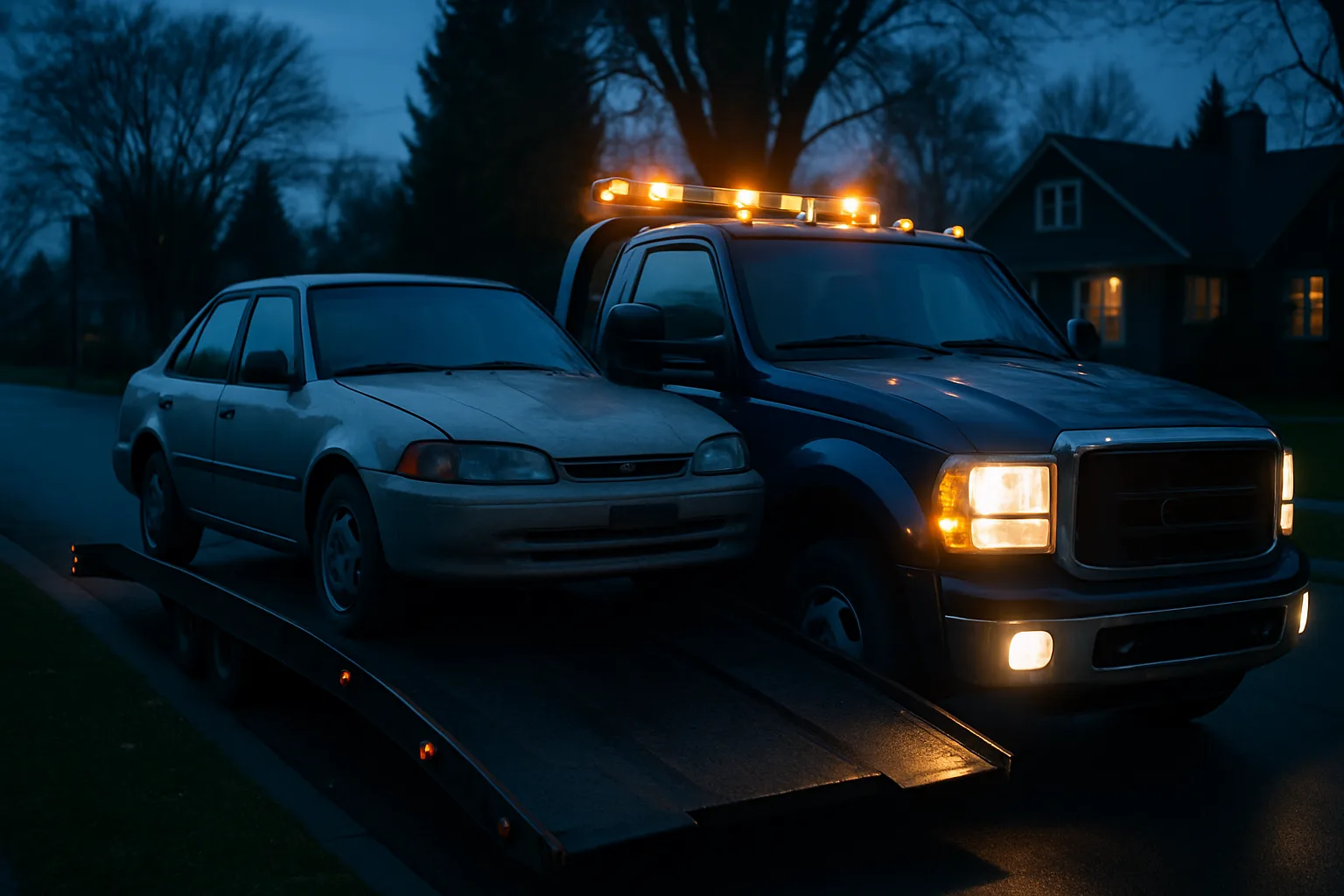
What Actually Happens to Your Junk Car After You Sell It?
Most people assume their old vehicle gets crushed into a cube and forgotten. The reality is more interesting — and a lot more valuable. The average end-of-life vehicle contains over 80% recyclable materials by weight, including steel, aluminum, copper, and platinum-group metals from the catalytic converter. If you're looking to sell my junk car New Westminster, understanding what happens next puts money in context and helps you make smarter decisions about where and how you sell.
This week's roundup covers the full picture: how eco-friendly car disposal actually works in 2026, what's happening in the recycled auto parts market, and why platforms like smashrecycling.ca are changing how yards and buyers interact with end-of-life vehicle inventory across Canada.
---The Eco-Friendly Car Disposal Process — Step by Step
Responsible vehicle recycling isn't just about crushing metal. It's a staged process designed to extract maximum value while keeping hazardous materials out of the ground and water supply. Every licensed recycler in British Columbia follows a depollution protocol before a vehicle is dismantled or shredded.
Here's what that process looks like in practice:
- Fluid Drainage: Engine oil, transmission fluid, coolant, brake fluid, power steering fluid, and fuel are all drained and either recycled or disposed of properly. A single car can carry 10–15 litres of mixed fluids that would contaminate soil if left unchecked.
- Battery Removal: Lead-acid batteries are pulled and sent to specialized recyclers. In 2026, EV batteries require additional handling protocols — they're a growing focus for recyclers across British Columbia given the surge in EV adoption province-wide.
- Catalytic Converter Extraction: The cat comes off early. It contains rhodium, palladium, and platinum — precious metals with real commodity value. This step is carefully documented to prevent theft and ensure accurate pricing.
- Part Harvesting: Usable parts — alternators, starters, doors, seats, transmissions — are pulled and listed in inventory for resale. This extends the lifecycle of components and keeps them out of the shredder.
- Shredding and Sorting: The remaining hulk goes through an auto shredder. Ferrous and non-ferrous metals are separated magnetically and by density. What comes out the other side feeds steel mills and aluminum smelters.
- Fluff Management: Auto shredder residue (ASR), the foam, glass, rubber, and plastics left behind, is the industry's biggest sustainability challenge. Responsible recyclers are investing in fluff processing technologies to divert more of it from landfill.
When you sell your car for cash across Canada through a reputable buyer, this is the process your vehicle enters. Not a backyard operation. A regulated, documented chain of custody.
---Why New Westminster Sellers Are Paying More Attention to Where Their Car Goes
New Westminster sits at the geographic heart of Metro Vancouver's industrial corridor. The Fraser River waterfront, the established rail links, and proximity to major scrap yards and auto recyclers make it one of the more active end-of-life vehicle markets in Western Canada. Sellers here aren't just asking "how much?" anymore — they're asking "who's buying, and what are they doing with it?"
That shift matters. British Columbia has some of the tightest environmental regulations around vehicle depollution in the country. The province's Environmental Management Act and associated regulations hold recyclers accountable for how they handle hazardous materials. If you're selling a junk car in New Westminster, working with a buyer who follows these protocols protects you from liability and ensures your vehicle doesn't become a neighbourhood eyesore or a soil contamination problem.
Beyond compliance, there's a market incentive. Documented, depolluted vehicles with proper photo records and part inventories attract more competitive bids. A buyer knows exactly what they're getting. That confidence translates into better price discovery — which is exactly the problem a scrap metal auction platform like SMASH was built to solve.
---How the Scrap Metal Market Is Behaving in Mid-2026
The scrap metal market heading into the second half of 2026 has been shaped by a few converging forces. Steel demand from North American manufacturing remains uneven — some segments are running strong, others are pulling back. Non-ferrous metals, particularly copper and aluminum, have stayed relatively firm on the back of EV infrastructure buildout and grid expansion projects.
What does that mean if you're trying to sell my car fast New Westminster this summer? A few practical takeaways:
- Non-ferrous content matters more than ever. The catalytic converter, wiring harness, aluminum engine block, and wheels all carry weight in the current market. A vehicle with intact cats and a full aluminum powertrain is worth more than a stripped hulk.
- Condition documentation is doing heavy lifting. Buyers are being more selective. Clear photos, accurate weights, and part inventories help your vehicle stand out in a competitive listing environment.
- Competition between buyers is your best tool. Accepting the first offer you get from one phone call is leaving money on the table. More buyers means better price discovery — that's not a slogan, it's market mechanics.
Prices fluctuate constantly based on global commodity markets, local buyer demand, and regional logistics. Always check current rates before accepting any offer. Use multiple sources, not just one yard's quote.
Disclaimer: Scrap metal and vehicle prices change daily. The observations above reflect general market conditions as of July 2026 and should not be taken as pricing guarantees. Always verify current rates with active buyers in your area.
---What SMASH Brings to the Junk Car Equation
Here's the old way of selling a junk car: you call one yard, they give you a number, you either take it or spend the afternoon calling three more yards and getting inconsistent answers. Nobody explains how they got to that number. You guess at whether it's fair. You probably leave value behind.
SMASH changes that dynamic. As a scrap metal auction platform built for the recycling industry, SMASH connects vetted buyers with documented inventory — whether that's a load of catalytic converters, a pallet of cores, or a complete end-of-life vehicle. The auction format creates real competition. Competition reveals the market price instead of hiding it.
For sellers in New Westminster and across British Columbia, SMASH's inventory tools let you document your vehicle properly — photos, VIN lookup, part condition, weight estimates — before it ever goes to market. That documentation builds buyer confidence. Buyers who are confident bid harder. You can get a free car valuation and understand what your vehicle is actually worth before committing to any sale.
No subscription fees. SMASH only wins when you win. That's the model.
Whether you're a yard operator moving volume or an individual looking to sell scrap car in British Columbia, the platform removes the guesswork and replaces it with documented, competitive, transparent transactions.
---What to Have Ready Before You Sell Your Junk Car
Selling a junk car for cash doesn't have to be complicated, but being prepared makes the difference between a smooth transaction and a frustrating one. This applies whether you're in New Westminster, Calgary, Toronto, or anywhere else across Canada.
Here's what to pull together before you reach out to any buyer:
- Vehicle Identification Number (VIN): Found on the dashboard or driver's side door jamb. This tells buyers exactly what they're getting and unlocks accurate valuation.
- Title or proof of ownership: Most legitimate buyers require this. If you've lost the title, contact ICBC (in British Columbia) or your provincial registry to request a replacement before you sell.
- Honest condition notes: Does it run? Is the catalytic converter intact? Are there major missing components? Accuracy here protects both sides of the deal.
- Photos: Four-corner exterior shots, engine bay, interior, and any damage. Good photos reduce back-and-forth and help buyers commit to stronger offers.
- Removal logistics: Know your access situation. Is the vehicle in a driveway, a garage, or a field? Tow truck access affects pickup timelines and sometimes pricing.
If you're worried about the title situation, note that some buyers do handle junk car buyers near me for cash no title transactions under specific conditions — but this varies by province and buyer. Always ask upfront rather than discovering a problem at pickup.
Want a deeper breakdown of the selling process? Read Canadian car selling guides for province-specific advice on paperwork, timelines, and what to expect from reputable buyers.
---Frequently Asked Questions
Q: How do I sell my junk car in New Westminster if I don't have the title?
Losing a title doesn't automatically kill the deal, but it complicates it. In British Columbia, you can request a replacement ownership document through ICBC before you sell. Some buyers will work with a statutory declaration or bill of sale for older vehicles, but practices vary. Always confirm the buyer's requirements before arranging pickup.
Q: What's the fastest way to sell my car fast in New Westminster?
Have your VIN, photos, and a clear condition description ready before you make contact. Buyers who have full information can make offers faster and schedule pickup sooner — often within 24 to 48 hours. Using a platform that connects you to multiple vetted buyers simultaneously speeds up the process even further compared to calling yards one at a time.
Q: Does the scrap metal auction platform model work for individual car sellers, not just yards?
Yes. While SMASH is built to handle commercial volume, the auction and documentation tools benefit any seller who wants transparency and competition rather than a single take-it-or-leave-it offer. The principle is the same whether you're selling one car or a hundred: more buyers means better price discovery.
Q: How is scrap car value determined in British Columbia?
Value comes from a combination of factors: vehicle weight, metal composition, catalytic converter content, intact usable parts, current commodity prices, and local buyer demand. A complete vehicle with an intact drivetrain and undamaged cats is worth meaningfully more than a stripped shell. Market conditions shift constantly, so getting multiple offers on the same day gives you the most accurate picture.
Q: Is eco-friendly car disposal actually better for my payout, or just better for the environment?
Both, in many cases. Properly depolluted vehicles with documented part inventories attract buyers who know exactly what they're bidding on. That confidence reduces the buyer's risk discount — meaning they're willing to offer more. Documented, clean vehicles also move faster through the auction process, which means less waiting for you.
---If your vehicle is sitting in a driveway in New Westminster or anywhere across Canada taking up space and losing value, the time to act is now. Scrap metal markets move. Buyer demand shifts. The offer available today may not be there in three months. If you want a transparent, competitive process with no subscription fees and no guesswork, SMASH is where to start. And when you're ready to move, sell your car for cash across Canada — get a free quote at cashforcars-canada.ca and see what your vehicle is actually worth in today's market.
Follow SMASH on LinkedIn for weekly scrap metal market insights, industry news, and updates on how the recycling landscape is shifting across North America.