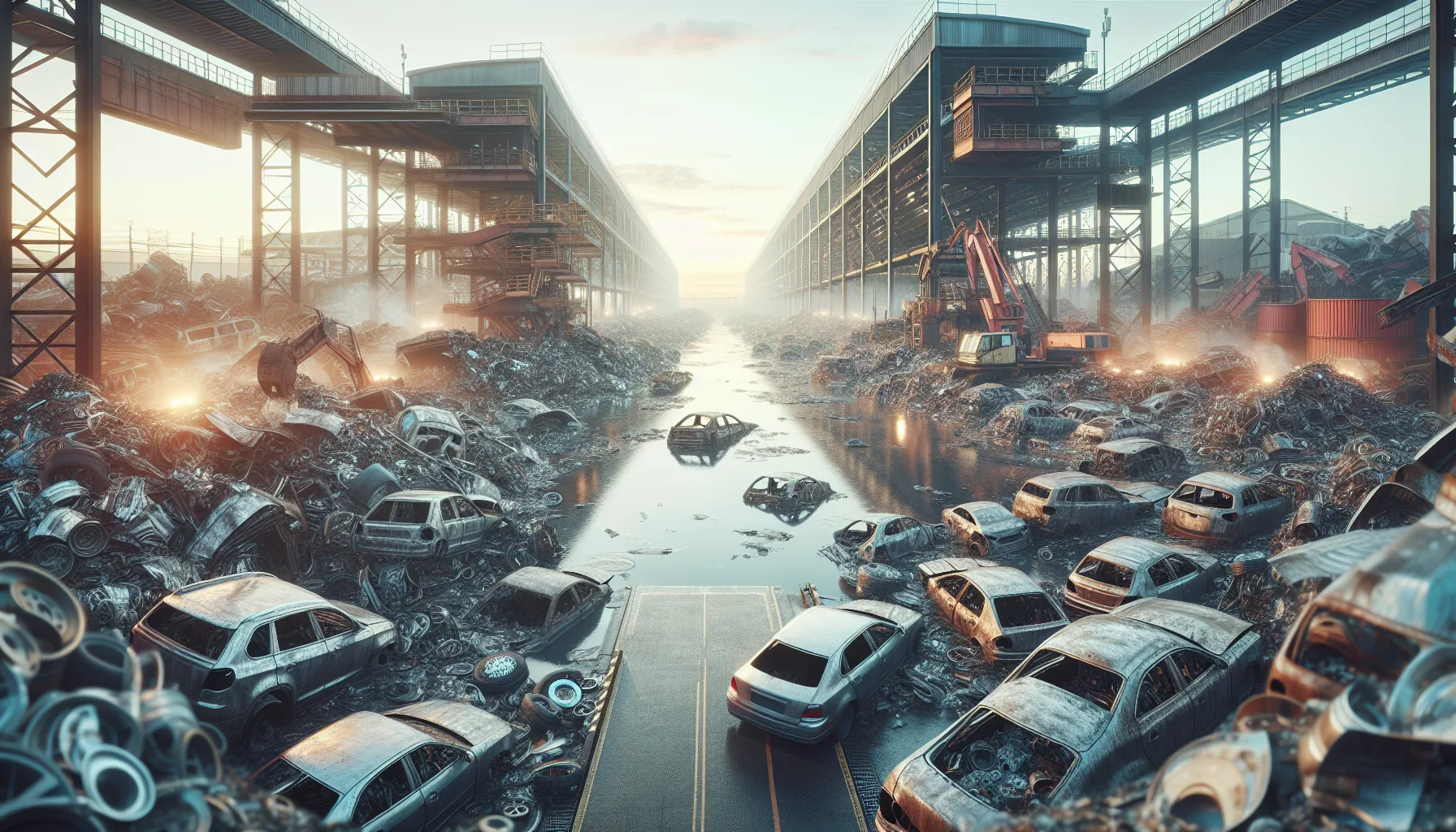
Turn Disaster into Cash: Selling Your Flood or Fire-Damaged Vehicle in 2026
Natural disasters struck over 2,800 Canadian vehicles in the first quarter of 2026 alone. These cars didn't vanish — they became prime candidates for cash for cars Guelph services. Whether your vehicle suffered flood damage from spring thaw flooding or fire damage from last summer's wildfires, you're sitting on valuable scrap metal and salvageable parts.
Insurance companies often write off damaged vehicles as total losses, leaving owners with settlement checks and seemingly worthless cars. Here's the reality: that "worthless" vehicle contains hundreds of dollars in recoverable materials. Steel, aluminum, copper wiring, and catalytic converters retain significant value regardless of cosmetic damage.
Professional junk car buyers across Ontario understand this equation. They evaluate vehicles based on weight, metal content, and salvageable components — not appearance. Your flood-soaked sedan or fire-damaged truck represents raw materials for Canada's thriving recycling industry.
Understanding Flood Damage: What Buyers Actually Want
Flood damage affects different vehicle systems in predictable ways. Electronics fail first, followed by mechanical components exposed to contaminated water. However, the vehicle's fundamental structure — its steel frame and body panels — remains valuable for scrap metal recycling Canada operations.
Insurance adjusters focus on repair costs versus vehicle value. Junk car buyers think differently. They calculate metal weight multiplied by current scrap prices, plus recoverable part values. A flood-damaged 2020 Honda Civic weighing 2,800 pounds contains roughly $200-400 in scrap metal alone, before considering intact parts like wheels, mirrors, or undamaged interior components.
Salt water accelerates corrosion compared to fresh water flooding. Marine environments in coastal provinces like Nova Scotia or British Columbia create more extensive damage. However, even salt-damaged vehicles retain significant scrap value. The key lies in quick action — prolonged exposure increases deterioration rates.
Modern flood damage assessment considers multiple factors. Electronics represent total losses in most cases. Engine blocks require complete rebuilds after water ingestion. Transmissions and differentials face similar challenges. Yet these same components contain valuable metals. Engine blocks yield high-grade aluminum. Transmissions contain steel and aluminum casings worth recovering.
Fire Damage Assessment: Hidden Value in Burned Vehicles
Fire damage creates different recovery scenarios compared to flood situations. Extreme heat affects metal integrity, but doesn't eliminate scrap value entirely. Professional buyers who we buy junk cars Guelph understand which materials survive fire exposure and retain commercial worth.
Vehicle fires typically start in engine compartments or electrical systems. Heat spreads outward, creating zones of varying damage intensity. Areas furthest from ignition sources often contain salvageable components. Rear suspension assemblies, exhaust systems, and wheel assemblies frequently survive front-end fires with minimal damage.
Steel maintains structural integrity at temperatures below 1,500°F. Aluminum melts at lower temperatures but remains recyclable as ingot material. Copper wiring loses insulation but retains metal value. Even heavily damaged vehicles contain recoverable materials worth hundreds of dollars.
Insurance settlements for fire-damaged vehicles often exceed flood damage payouts. Higher settlement amounts reflect replacement costs for destroyed personal property and complex fire investigation requirements. Owners frequently receive substantial checks while retaining vehicle ownership rights — creating opportunities for additional revenue through scrap sales.
Professional recyclers use specialized equipment to separate fire-damaged materials. Magnetic separators isolate ferrous metals. Eddy current systems recover non-ferrous materials like aluminum and copper. Advanced facilities process even severely damaged vehicles profitably.
Salvage Title Implications: Legal Considerations for Canadian Sellers
Provincial regulations govern salvage title designations differently across Canada. Ontario requires salvage branding for vehicles deemed total losses by insurance companies. This branding follows vehicles permanently, affecting resale values for functional cars but having minimal impact on sell car for scrap collection transactions.
Salvage titles actually benefit scrap sellers in several ways. Insurance companies typically reduce settlement amounts for vehicles with existing salvage brands. However, scrap value calculations ignore title status entirely. Metal content and weight determine pricing — not legal designations or previous damage history.
Documentation requirements vary by province. Ontario mandates proper title transfer even for scrap transactions. Alberta follows similar protocols. Maritime provinces maintain less stringent requirements for non-roadworthy vehicle sales. Understanding local regulations prevents delays during sale completion.
When evaluating how much is my salvage title car worth, focus on material composition rather than book values. Kelly Blue Book and similar services poorly estimate damaged vehicle values. Scrap pricing calculators provide more accurate assessments based on current metal markets and vehicle specifications.
Professional cash-for-cars services navigate provincial regulations efficiently. They handle title transfers, provide required documentation, and ensure compliance with local environmental standards. Platforms like SMASH streamline these processes, connecting sellers with licensed buyers who understand legal requirements.
Maximizing Value: Strategic Selling Approaches for Damaged Vehicles
Timing significantly impacts damaged vehicle sale prices. Scrap metal markets fluctuate based on global demand, seasonal construction activity, and international trade policies. Steel prices in 2026 have shown particular strength due to infrastructure investments across North America.
Preparation strategies increase sale values without requiring expensive repairs. Remove personal belongings thoroughly — buyers subtract disposal costs for unwanted items. Drain fluids if possible, though professional services typically handle this requirement. Document any valuable aftermarket additions like premium sound systems or custom wheels that survived damage.
Multiple quote comparison reveals market variation. Different buyers specialize in specific vehicle types or damage categories. Some focus on newer models with valuable electronic components. Others prioritize older vehicles with simpler mechanical systems and higher metal content ratios.
Location affects pickup logistics and final pricing. Urban areas like Guelph offer multiple buyer options and competitive pricing due to shorter transport distances to processing facilities. Rural locations may face higher pickup costs but can negotiate these fees during initial discussions.
When you sell your car for cash across Canada, documentation preparation accelerates transactions. Gather insurance paperwork, maintenance records, and any receipts for recent repairs or upgrades. These documents help buyers assess true vehicle value beyond obvious damage.
The SMASH Advantage: Modern Solutions for Damaged Vehicle Sales
Traditional junk car sales involved multiple phone calls, uncertain pricing, and complicated logistics. Modern platforms revolutionize this process through technology and transparent pricing structures. SMASH represents this evolution, connecting Canadian vehicle owners with verified buyers nationwide.
Digital assessment tools provide preliminary valuations based on make, model, year, and damage descriptions. These estimates help sellers set realistic expectations and compare multiple offers efficiently. Advanced algorithms consider current metal prices, regional demand variations, and transportation costs.
Verified buyer networks eliminate common scrap sale problems. Platform screening ensures proper licensing, environmental compliance, and reliable payment processing. Sellers avoid dealing with unlicensed operators who create legal complications or environmental violations.
Geographic coverage extends beyond major urban centers. While services are readily available for get a free car valuation in cities like Toronto or Vancouver, rural areas across Ontario and other provinces gain equal access through coordinated pickup networks.
Customer protection features include guaranteed pricing, pickup scheduling flexibility, and dispute resolution processes. These safeguards address traditional industry concerns about pricing changes, no-show buyers, and payment delays. Professional platforms maintain reputation through consistent service delivery.
Integration with recycling operations optimizes environmental outcomes. When you sell your scrap metal on SMASH Recycling, materials flow directly into certified processing facilities. This connection ensures proper handling of hazardous materials like batteries, fluids, and mercury switches.
Environmental and Economic Benefits of Damaged Vehicle Recycling
Vehicle recycling generates substantial environmental benefits beyond simple waste reduction. Steel recycling saves 74% of energy compared to primary production from iron ore. Aluminum recycling achieves 95% energy savings. These efficiency gains directly translate into reduced carbon emissions and resource conservation.
Canada processes over 1.2 million end-of-life vehicles annually through licensed recycling facilities. This industry employs thousands of workers across all provinces while generating billions in economic activity. Damaged vehicle sales contribute significantly to this economic ecosystem.
Proper recycling prevents environmental contamination from abandoned vehicles. Flood and fire-damaged cars contain potentially hazardous materials requiring specialized handling. Professional recyclers safely manage these substances while maximizing material recovery rates.
Economic multiplier effects benefit local communities. Recycled steel supplies Canadian manufacturing industries, reducing import dependencies and supporting domestic production. This closed-loop system strengthens regional economies while advancing environmental sustainability goals.
When you're ready to convert that damaged vehicle into cash, remember that professional services handle every aspect of the transaction. From initial valuation through final pickup, experienced teams ensure smooth, profitable sales. You can read Canadian car selling guides for additional insights into market trends and best practices. Sell your car for cash across Canada — get a free quote at cashforcars-canada.ca and discover how quickly disaster can become opportunity.
Frequently Asked Questions
Q: Can I sell a flood-damaged car without a clear title?
Yes, most cash for cars Guelph services accept vehicles with salvage titles or insurance settlements pending. You'll need to provide insurance documentation and proof of ownership. The buyer typically handles title transfer requirements with provincial authorities.
Q: How quickly can I get cash for my fire-damaged vehicle?
Most professional buyers complete transactions within 24-48 hours of initial contact. Same-day pickup is often available in urban areas like Guelph, with cash payment upon vehicle collection. Documentation preparation can accelerate this timeline further.
Q: Do I need to remove parts before selling my damaged car for scrap?
No, reputable buyers prefer intact vehicles for accurate weight assessment and efficient processing. Removing parts may actually reduce your sale price by decreasing total vehicle weight and creating incomplete documentation issues.
Q: What's the difference between insurance settlement and scrap value for damaged vehicles?
Insurance settlements cover replacement costs minus deductibles and depreciation. Scrap value reflects current metal prices and part values. You can often collect both — insurance settlement plus scrap sale proceeds — maximizing total recovery from your damaged vehicle.
Q: Are there environmental regulations I need to consider when selling a damaged car?
Licensed buyers handle all environmental compliance requirements including proper fluid disposal, battery recycling, and mercury switch removal. Choosing certified services ensures legal compliance and environmental protection throughout the recycling process.
For the latest insights on scrap metal markets and recycling industry trends, follow SMASH on LinkedIn at https://www.linkedin.com/company/scrap-metal-auction-sales-hub for regular market updates and industry analysis.