From Assembly Line to Cash for Cars Regina: Understanding Your Vehicle's Complete Journey
Every car begins its journey on a factory assembly line and eventually reaches its final destination in a recycling facility. For Regina drivers, understanding this lifecycle reveals why cash for cars Regina services offer such valuable end-of-life vehicle solutions. Your car's journey from shiny new metal to recycled materials creates opportunities at every stage, especially when it's time to sell your car for cash across Canada.
The automotive lifecycle spans decades, involving manufacturing, ownership, maintenance, and ultimately recycling. In 2026, approximately 1.8 million vehicles reach end-of-life status across Canada annually. Regina contributes thousands of these vehicles to the recycling stream, creating a robust market for we buy junk cars Regina services.
Modern vehicles contain over 2,500 pounds of recyclable steel, 300 pounds of aluminum, and dozens of valuable components. Understanding this value helps Regina car owners maximize returns when selling their vehicles for cash, regardless of condition.
Manufacturing and Early Life: Building Value from Day One
Vehicle manufacturing begins with raw materials sourcing. Steel mills process iron ore into automotive-grade steel. Aluminum smelters create lightweight body panels. Plastic manufacturers produce interior components. These materials travel to assembly plants where robots and skilled workers transform them into complete vehicles.
A typical car contains:
- 65% steel and iron components
- 12% aluminum parts
- 7% plastics and composites
- 4% fluids and lubricants
- 12% other materials including copper, glass, and rubber
Quality control inspections ensure each vehicle meets safety standards before leaving the factory. This initial quality directly impacts the vehicle's lifespan and eventual resale value when owners decide to pursue cash for cars Regina options years later.
During the first ownership period, vehicles typically depreciate 20-25% in the first year alone. However, this depreciation slows significantly after year three, making older vehicles excellent candidates for cash purchase programs.
Peak Performance Years: Maintaining Value Through Ownership
Most vehicles perform optimally during years 2-8 of their lifecycle. Regular maintenance preserves mechanical systems and extends useful life. Regina's harsh Saskatchewan winters place additional stress on vehicles, accelerating wear on batteries, cooling systems, and body panels due to road salt exposure.
Smart owners invest in:
- Regular oil changes every 5,000-8,000 kilometers
- Seasonal tire rotations and winter tire installations
- Annual brake inspections and fluid replacements
- Engine tune-ups every 50,000 kilometers
Even well-maintained vehicles eventually require major repairs. When repair costs exceed the vehicle's value, Regina owners often explore we buy junk cars Regina services rather than investing in expensive fixes. This decision point typically occurs around year 12-15 for most vehicles.
Platforms like SMASH help facilitate this transition by connecting vehicle owners with buyers who specialize in purchasing cars for their recyclable materials value, ensuring fair compensation even for vehicles requiring significant repairs.
Decline Phase: When Repairs Exceed Value
Vehicle decline accelerates when multiple systems begin failing simultaneously. Common indicators include transmission problems, engine knock, extensive rust, and electrical failures. In Regina, road salt exposure often creates premature body rust, particularly affecting older vehicles.
Major repair thresholds include:
- Transmission replacement: $3,000-$5,000
- Engine rebuilds: $4,000-$8,000
- Extensive bodywork: $2,000-$6,000
- Complete electrical system overhauls: $1,500-$3,000
When facing these costs, many Regina residents discover that selling to cash for cars services provides better financial outcomes than attempting repairs. Professional buyers evaluate vehicles based on their scrap metal content and recyclable components, often offering competitive prices regardless of mechanical condition.
Current scrap metal prices today reflect strong demand for automotive steel and aluminum. Steel prices hover around $320-$380 per ton, while aluminum commands $1,800-$2,200 per ton. These prices directly influence what cash for cars services can offer vehicle owners.
End-of-Life Processing: Maximizing Final Value
Professional vehicle recyclers follow systematic dismantling processes to extract maximum value from end-of-life vehicles. This process begins immediately after purchase from Regina car owners and involves several specialized steps.
Initial processing includes:
- Fluid drainage (oil, coolant, brake fluid, gasoline)
- Battery and electronic component removal
- Tire and wheel separation
- Catalytic converter extraction
- Airbag and safety system harvesting
Next, valuable parts undergo inspection for resale potential. Engines, transmissions, doors, and electronic systems in good condition enter the used parts market. This creates additional revenue streams that allow cash for cars services to offer competitive prices to sellers.
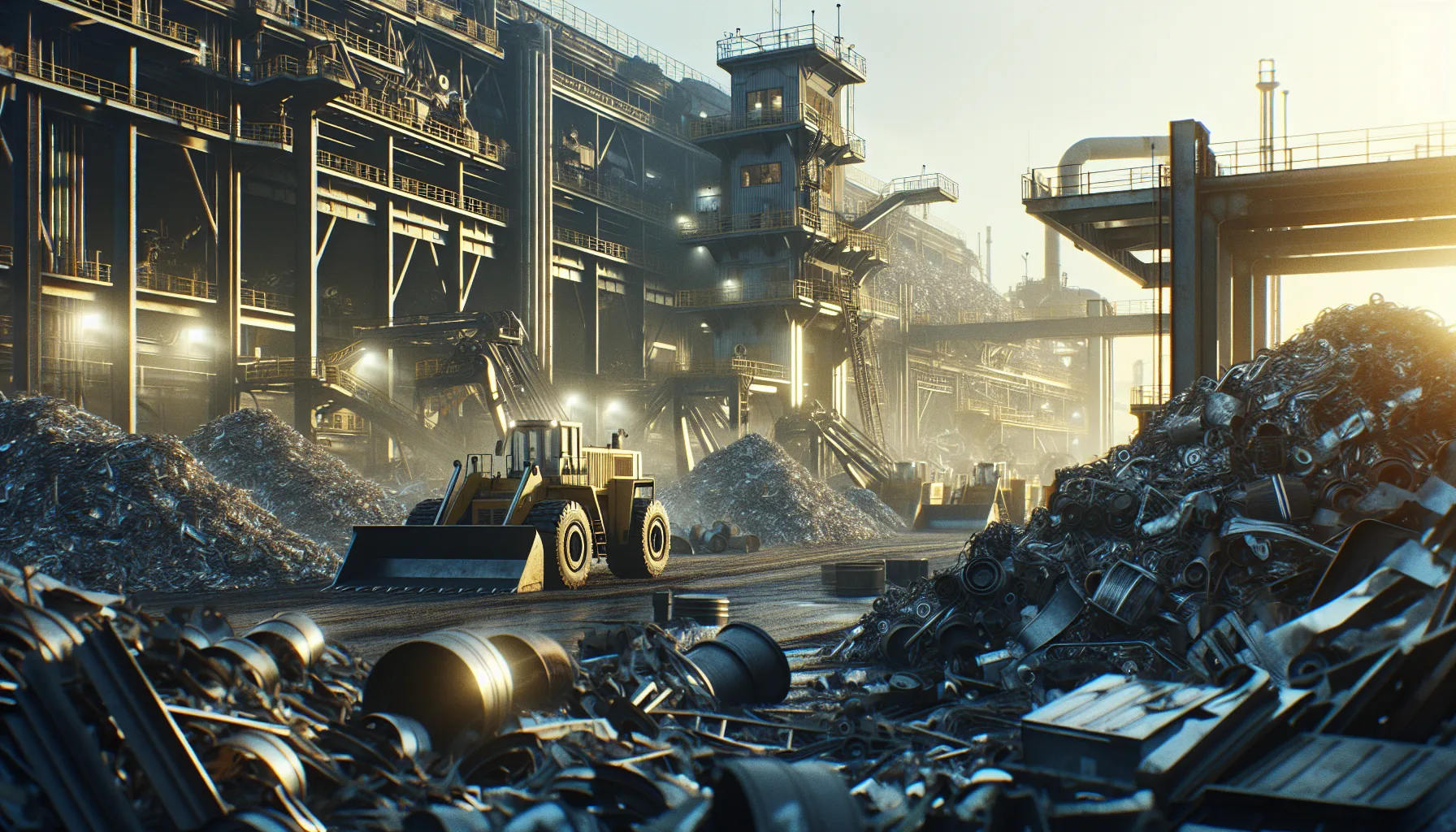
Finally, remaining materials go through shredding and separation processes. Powerful magnets separate ferrous metals from non-ferrous materials. Advanced sorting technologies isolate aluminum, copper, and plastic components for specialized recycling streams.
SMASH facilitates these final recycling steps by connecting processors with Canada's B2B scrap recycling marketplace, ensuring materials reach appropriate recycling facilities efficiently.
Environmental Impact and Recycling Benefits
Vehicle recycling prevents environmental contamination while conserving natural resources. A single recycled car saves approximately 2,500 pounds of iron ore, 1,400 pounds of coal, and 120 pounds of limestone from mining operations.
Professional recycling also prevents hazardous materials from entering landfills. Motor oil, antifreeze, and battery acid require specialized handling to avoid groundwater contamination. Regina's recycling facilities follow strict Saskatchewan environmental regulations to ensure proper disposal.
Steel recycling reduces energy consumption by 75% compared to primary production. Aluminum recycling saves 95% of the energy required for new aluminum production. These efficiencies make vehicle recycling one of the most environmentally beneficial industrial processes.
When Regina residents choose cash for cars services, they participate in this environmental conservation effort while receiving fair compensation. This creates a win-win situation that benefits both sellers and the broader community.
Understanding your vehicle's complete lifecycle helps make informed decisions about when to sell and which services to choose. Whether your car is approaching major repairs or has already reached end-of-life status, get a free car valuation to explore your options. For additional insights about the automotive industry and selling strategies, read Canadian car selling guides that help maximize your vehicle's final value. Ready to complete your car's journey? Sell your car for cash across Canada — get a free quote at cashforcars-canada.ca.
Frequently Asked Questions
Q: How long does the average car lifecycle last in Regina?
Most vehicles in Regina operate effectively for 12-18 years, depending on maintenance and driving conditions. Saskatchewan's harsh winters can accelerate wear, but proper care extends vehicle life significantly. When major systems begin failing, cash for cars services provide excellent alternatives to expensive repairs.
Q: What factors determine cash for cars prices in Regina?
Cash for cars prices depend on vehicle weight, current scrap metal prices, and recyclable component value. Steel content, aluminum parts, and functional components like catalytic converters significantly impact offers. Current market conditions and vehicle accessibility also influence final pricing.
Q: Do cash for cars services accept vehicles in any condition?
Yes, reputable cash for cars Regina services purchase vehicles regardless of condition. Whether your car runs, has mechanical problems, or sustained accident damage, professional buyers evaluate it based on recyclable material value and usable parts content.
Q: How quickly can I sell my car for cash in Regina?
Most cash for cars transactions complete within 24-48 hours of initial contact. Services typically offer same-day pickup and immediate payment upon vehicle inspection. This speed makes cash sales ideal for urgent situations or when avoiding ongoing storage costs.
Q: What paperwork is required to sell my car for cash in Saskatchewan?
You'll need valid vehicle registration and proof of ownership. Saskatchewan residents must complete a bill of sale and notify SGI of the ownership transfer. Reputable cash for cars services guide sellers through all required documentation to ensure legal compliance.
Stay informed about industry developments and scrap metal market trends by following SMASH on LinkedIn at https://www.linkedin.com/company/scrap-metal-auction-sales-hub for regular updates and market insights.